January 27, 2026
Every day, restaurants, commercial kitchens, food manufacturers, and even large institutions generate significant amounts of used cooking oil. While it may seem like a simple waste product, used cooking oil is actually a valuable resource when handled correctly. Professional cooking oil recycling transforms this byproduct into usable materials such as biodiesel, animal feed additives, and industrial lubricants, while also protecting plumbing systems, the environment, and public health. Understanding how the professional cooking oil recycling process works can help businesses make informed decisions, stay compliant with regulations, and contribute to a more sustainable future.
What Is Professional Cooking Oil Recycling?
Professional cooking oil recycling is a structured, regulated process in which used cooking oil (often referred to as UCO or waste vegetable oil) is collected, transported, filtered, processed, and repurposed by licensed recycling companies. Unlike informal disposal methods, such as pouring oil down drains or discarding it with solid waste, professional recycling ensures the oil is handled safely and efficiently.
This process is designed to meet local, state, and federal environmental regulations. It also protects businesses from costly plumbing repairs, fines, and environmental damage. Professional recyclers use specialized equipment and trained personnel to collect oil from secure containers and transport it to processing facilities where it can be refined and reused.
Sources of Used Cooking Oil
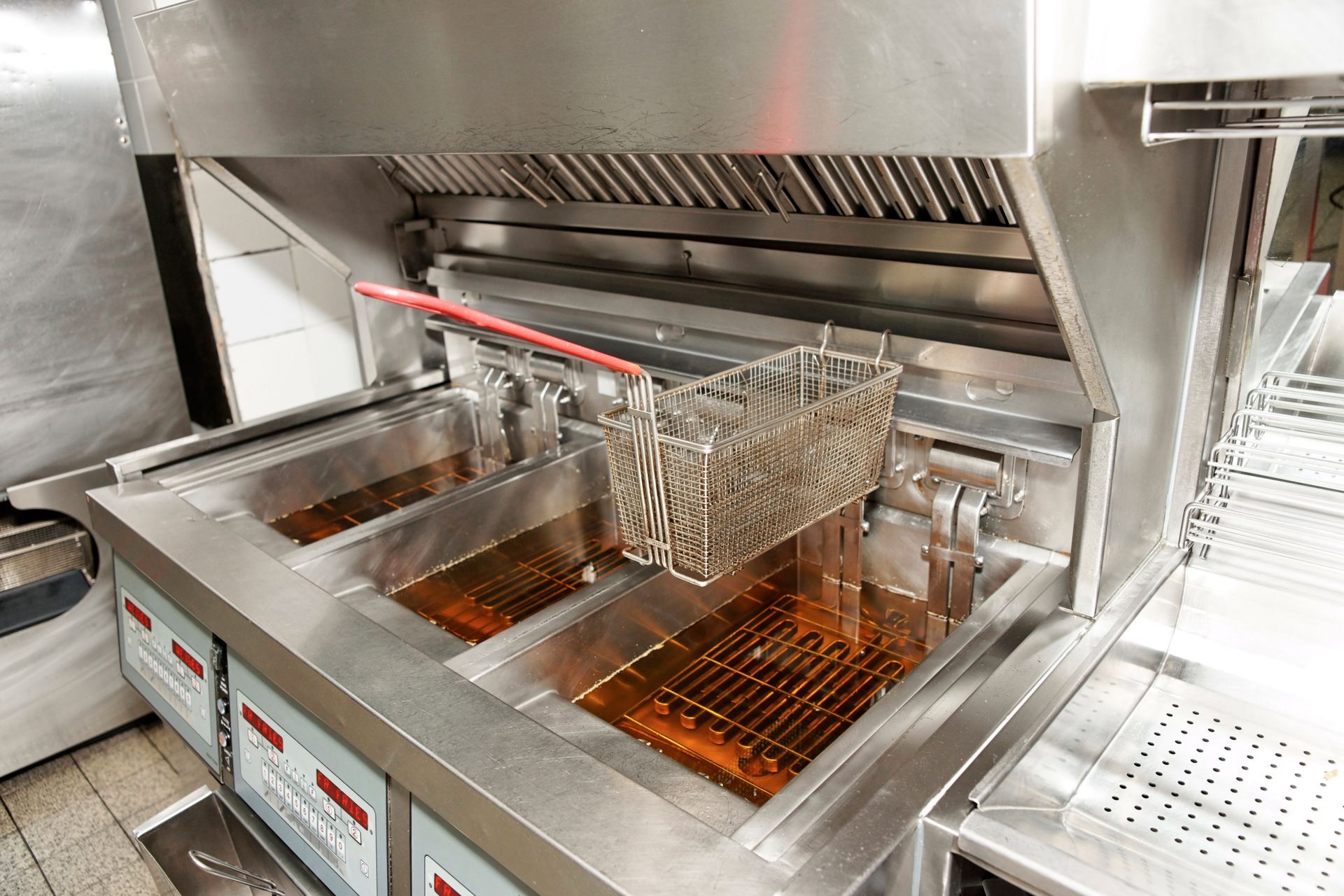
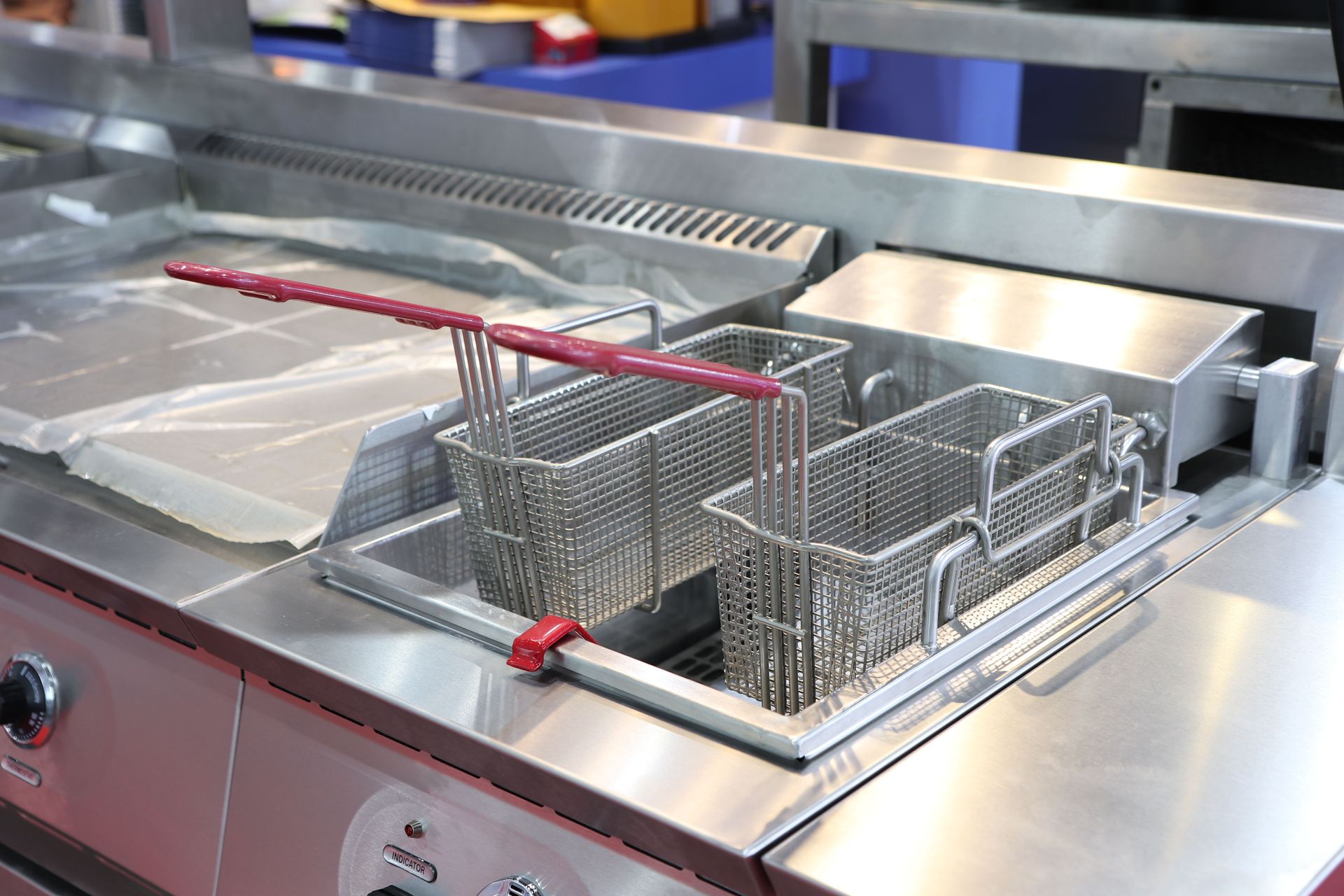
Used cooking oil comes from a wide range of commercial and industrial sources. Restaurants and fast-food establishments are the most common contributors, generating oil from deep fryers and cooking equipment. However, cafeterias, hotels, catering companies, food processing plants, grocery stores, and institutional kitchens in schools or hospitals also produce large volumes of used oil.
The type of oil collected can vary significantly. Common examples include vegetable oil, canola oil, soybean oil, palm oil, and animal fats. The quality and composition of the oil influence how it will be processed and what end products it can be turned into. Professional recyclers are equipped to handle this variety and sort or blend oils as needed during processing.
Why Proper Cooking Oil Recycling Matters
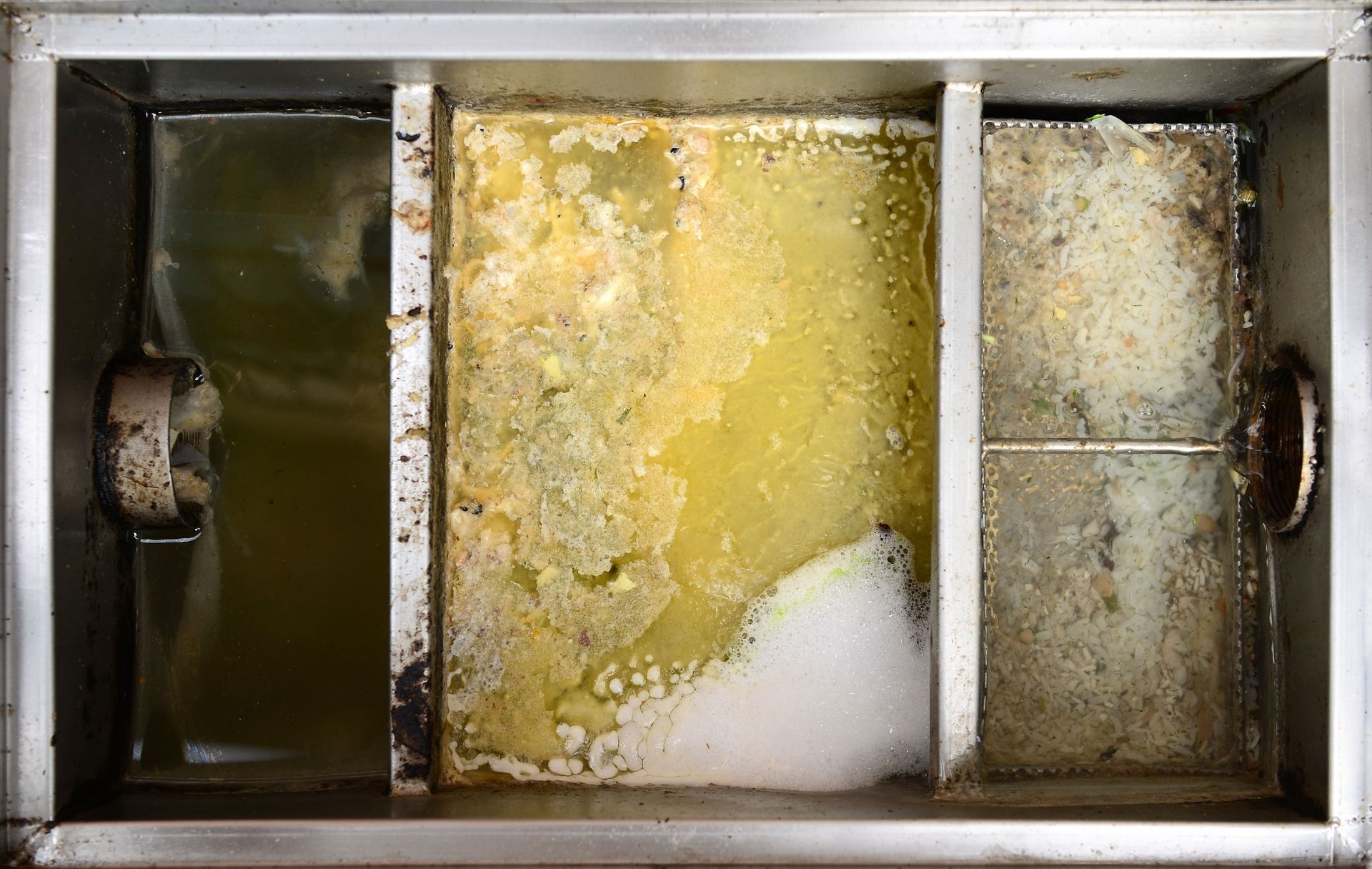
Improper disposal of used cooking oil can have serious consequences. When oil is poured down drains, it can solidify and combine with other debris to form blockages, often referred to as fatbergs. These blockages can damage plumbing systems, cause sewage backups, and lead to expensive repairs for both businesses and municipalities.
From an environmental standpoint, discarded oil can contaminate soil and waterways, harming wildlife and ecosystems. Professional recycling mitigates these risks by ensuring oil is collected and processed in a controlled manner. Additionally, recycling supports sustainability goals by reducing waste and creating renewable energy and other reusable products.
On-Site Storage and Handling
The professional recycling process begins at the point of generation. Businesses store used cooking oil in designated containers provided by recycling companies. These containers are typically made of durable materials, designed to prevent leaks, spills, and unauthorized access.
Proper on-site handling is essential. Staff are trained to safely transfer oil from fryers to storage containers, often after the oil has cooled. Clear labeling and secure lids help prevent contamination and reduce the risk of accidents. Many professional services also offer maintenance and cleaning of storage containers to ensure hygiene and compliance with health regulations.
Collection and Transportation
Once the storage container reaches a certain level, the recycling company schedules a pickup. Professional collectors use specialized trucks equipped with pumps and hoses to transfer the oil safely from the container to the vehicle. This process minimizes spills and reduces the need for manual handling.
Transportation is conducted according to strict regulatory standards. Vehicles are designed to contain liquids securely and prevent leaks during transit. Drivers are trained in handling waste materials and maintaining detailed records, which are often required for regulatory compliance and auditing purposes.
Initial Inspection and Filtration
When the used cooking oil arrives at the processing facility, it undergoes an initial inspection. This step helps recyclers assess the quality of the oil and identify contaminants such as water, food particles, or non-compatible substances. Proper assessment ensures the oil is directed to the most suitable recycling pathway.
Filtration is one of the first processing steps. Large food particles and debris are removed using screens, filters, or settling tanks. Removing these impurities is crucial for improving the quality of the oil and preparing it for further processing. Some facilities use multi-stage filtration systems to achieve higher levels of purity.
Dehydration and Refinement
Used cooking oil often contains water, which must be removed before it can be repurposed. Dehydration involves heating the oil or using centrifuges to separate water from the oil. This step improves stability and prevents issues during downstream processing, particularly if the oil is destined for biodiesel production.
Refinement may include additional treatments such as neutralization or chemical adjustments, depending on the intended end use. Professional recycling facilities are equipped with advanced technology to ensure consistent quality and compliance with industry standards.
Quality Control and Testing
Quality control is a critical component of the professional recycling process. Facilities conduct regular testing to ensure the recycled oil and its derivatives meet required specifications. Tests may include checks for moisture content, free fatty acid levels, and contaminants.
Maintaining high quality standards protects end users and ensures compliance with industry regulations. It also helps build trust between recycling companies, their clients, and downstream buyers who rely on consistent, reliable materials.
Environmental Benefits of Professional Recycling
The environmental benefits of professional cooking oil recycling are significant. By diverting oil from landfills and sewage systems, recycling reduces pollution and infrastructure damage. Converting used oil into biodiesel and other products lowers demand for virgin resources and decreases greenhouse gas emissions.
Additionally, recycling supports a circular economy, where waste materials are continuously repurposed rather than discarded. This approach conserves resources, reduces energy consumption, and promotes long-term environmental sustainability.
Regulatory Compliance and Documentation
Many jurisdictions require businesses to handle used cooking oil in specific ways. Professional recyclers help clients stay compliant by adhering to regulations and providing proper documentation. This may include manifests, certificates of recycling, and detailed pickup records.
Having accurate documentation protects businesses during inspections and audits. It also demonstrates a commitment to responsible waste management, which can enhance a company’s reputation with customers, regulators, and the community.
Economic Advantages for Businesses
Beyond environmental and regulatory benefits, professional cooking oil recycling can offer economic advantages. Many recyclers provide free or low-cost collection services, and some even offer rebates based on the volume and quality of oil collected.
By preventing plumbing issues and avoiding fines for improper disposal, businesses can save money in the long term. Additionally, partnering with a reliable recycling service allows staff to focus on core operations rather than waste management challenges.
Choosing a Professional Cooking Oil Recycling Partner
Selecting the right recycling partner is an important decision. Businesses should look for licensed and insured companies with a proven track record. Reliable scheduling, secure containers, transparent pricing, and responsive customer service are key factors to consider.
A good recycling partner will also provide education and support, helping staff understand proper handling procedures and the broader impact of recycling efforts. This collaborative approach ensures a smooth, efficient process from collection to final reuse.
Professional cooking oil recycling is far more than a waste disposal service. It's a comprehensive, regulated process that transforms used oil into valuable resources while protecting infrastructure, the environment, and public health. For businesses that generate used cooking oil, partnering with a professional recycler is an essential step toward responsible and sustainable operations. Serving businesses across Arkansas, our licensed and insured team at Brooks Grease Service is here for all your used cooking oil recycling needs. Contact us today to get started!