April 17, 2026
A properly functioning grease trap is essential for maintaining efficient plumbing and preventing costly backups or environmental damage. Key components and routine maintenance play a major role in keeping a grease trap operating at peak performance. Understanding how these systems work helps businesses stay compliant while protecting their infrastructure. With the right approach, a grease trap becomes a reliable safeguard against common drainage issues.
The Basics of Grease Traps
Definition and Purpose
Grease traps are essential plumbing devices designed to intercept greasy wastewater before it enters the sewer system. Their primary purpose is to prevent fats, oils, and greases (FOGs) from clogging pipes and causing blockages. Commonly installed in restaurants and food service establishments, they help manage kitchen waste effectively. The efficiency of grease traps can significantly reduce maintenance costs and prevent environmental damage from improper disposal. They work by slowing wastewater flow, allowing lighter grease to rise and solids to settle. This process ensures that only treated water exits into the sewage system. Understanding their role is key to maintaining compliance and supporting sustainable operations.
How Grease Traps Work
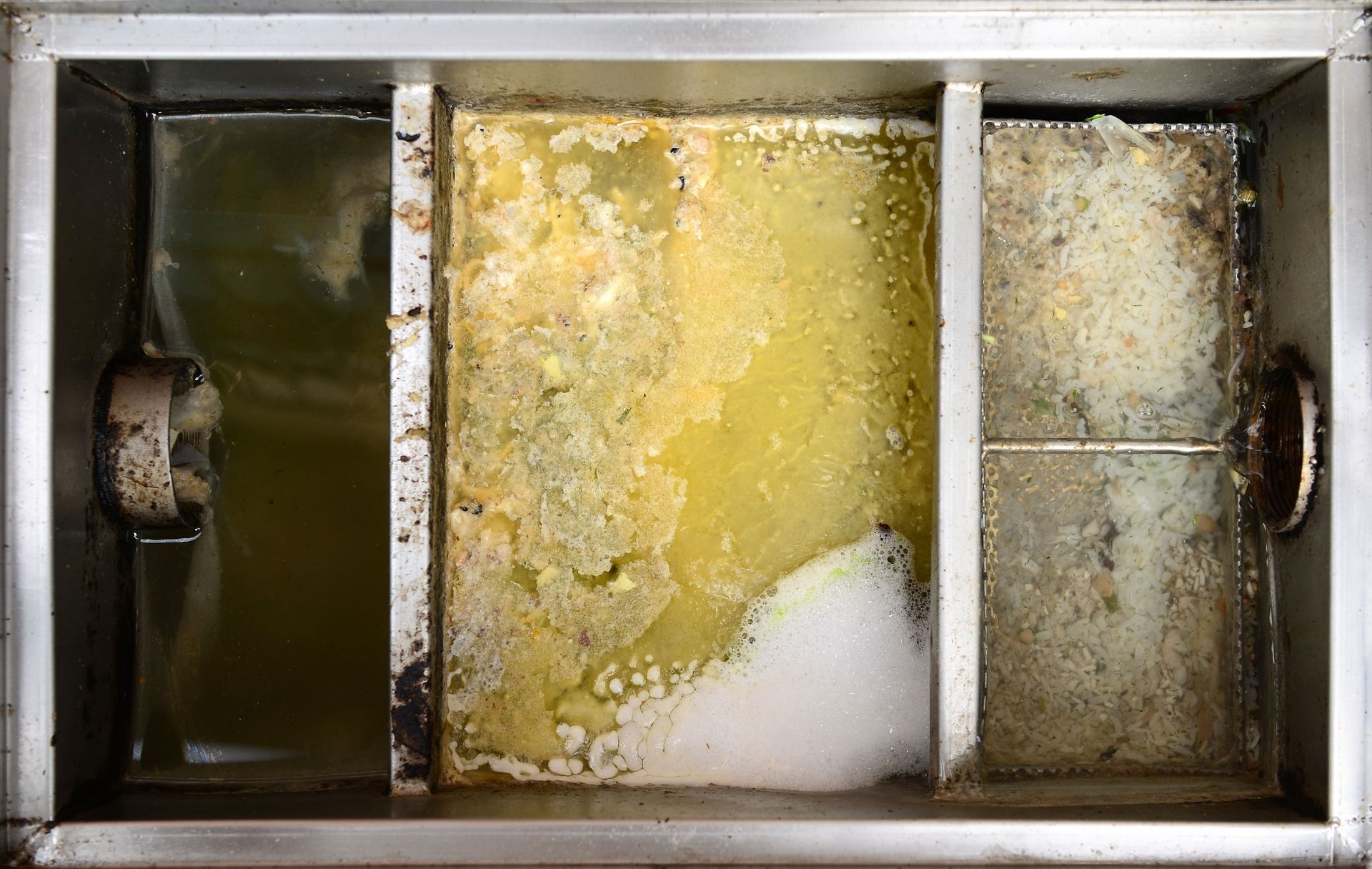
Grease traps operate through a simple but effective separation process that removes FOGs from wastewater. As water enters, baffles slow the flow, allowing grease to rise to the surface while solids settle at the bottom. This separation helps prevent clogs and keeps plumbing systems functioning properly. Many modern grease traps include features like heating elements or automatic skimmers to improve efficiency. These enhancements reduce the need for frequent manual cleaning and lower maintenance costs. Proper installation and regular maintenance are critical to ensure consistent performance. Routine inspections and staff training also help extend the lifespan and effectiveness of the system.
Types of Grease Traps
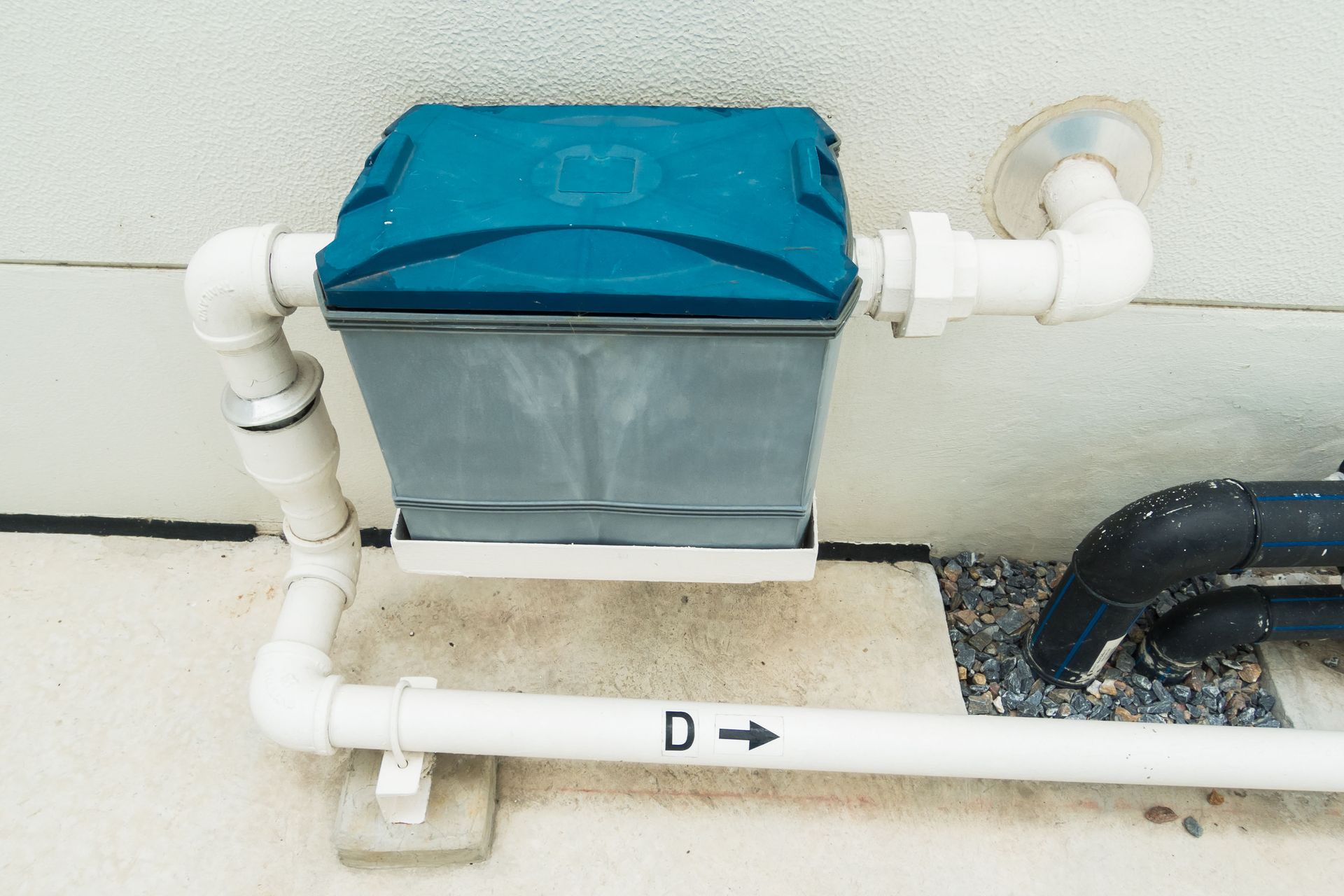
Traps come in several types, each suited to different operational needs and capacities. Passive hydromechanical interceptors use gravity and baffles, while gravity interceptors are larger and ideal for high-volume operations. Automatic grease removal units (AGRUs) use mechanical systems to remove grease more efficiently. Each type varies in cost, maintenance requirements, and installation needs. Smaller interceptors are often installed indoors and are easier to maintain but require more frequent cleaning. Larger systems are typically installed outdoors and offer greater capacity and improved separation. Choosing the right type depends on factors like kitchen size, grease output, and budget.
Importance in Commercial Kitchens
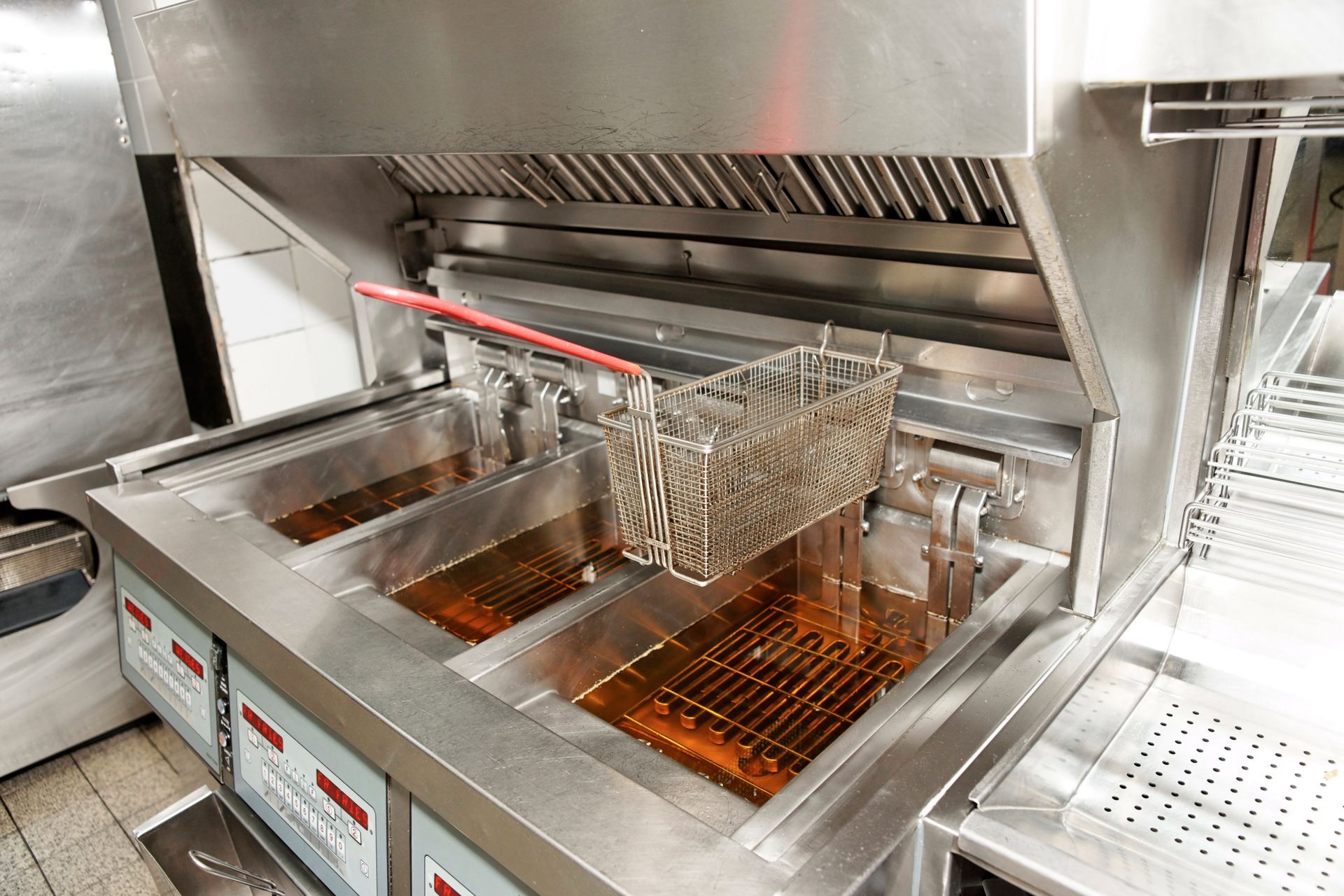
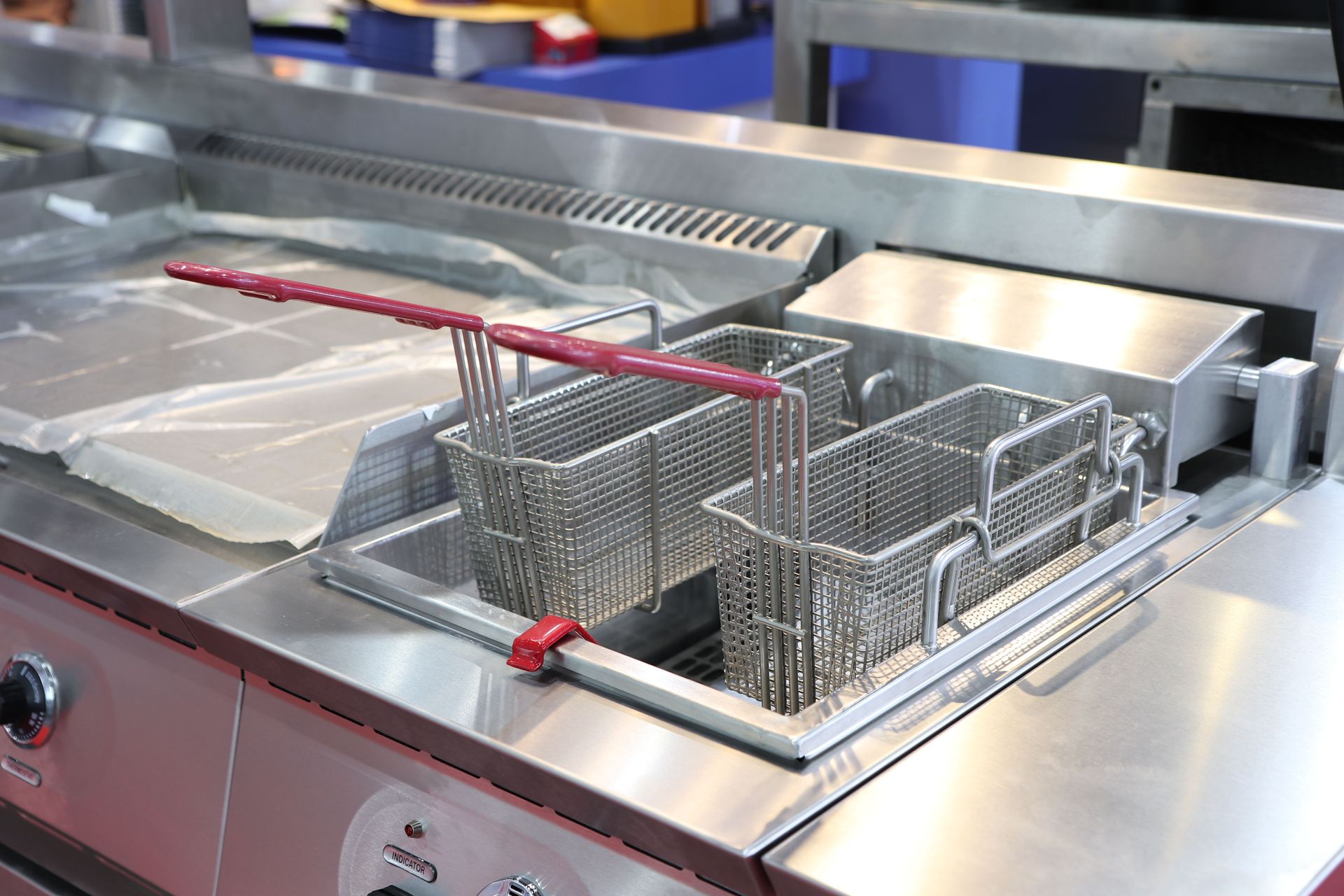
Grease traps play a vital role in commercial kitchens where large amounts of FOGs are produced daily. Without proper management, grease buildup can lead to severe plumbing issues and operational disruptions. By capturing grease before it enters the sewage system, they help protect infrastructure and reduce repair costs. They also ensure compliance with strict health and environmental regulations. A well-maintained system supports smooth kitchen operations and prevents unexpected downtime. Additionally, effective grease management contributes to cleaner, more sustainable practices. This not only protects the environment but also enhances a business’s reputation. The U.S. grease traps market has been valued at approximately USD 847.3 million in 2024 and is anticipated to reach USD 1,285.6 million by 2033, according to DataHorizonResearch.com.
Compliance With Health and Environmental Regulations
Meeting health and environmental regulations is essential for any commercial kitchen, and traps play a key role in compliance. Regulations are designed to prevent harmful FOGs from contaminating water systems and creating public health risks. Properly maintained traps help businesses meet these standards and avoid penalties or legal issues. Requirements often include correct installation, routine cleaning, and proper waste disposal practices. Keeping maintenance records and conducting regular inspections are also commonly required. Advanced systems can assist by providing monitoring and alerts for timely upkeep. Following these guidelines supports environmental responsibility while strengthening a business’s credibility and long-term success.
Design and Sizing Considerations
Kitchen Output
One of the first steps in ensuring an effective grease trap system is accurately assessing the kitchen's output of fatty waste. This includes analyzing meal volume, cooking methods, and the types of food being prepared daily. These factors help predict the amount of FOGs generated, which is essential for selecting the proper grease trap size and design. Overestimating or underestimating output can lead to inefficiencies such as overcapacity or frequent clogs. Equipment use and menu items also play a major role, especially in kitchens that rely heavily on frying or grease-intensive cooking. Identifying peak hours and waste patterns allows businesses to better manage fluctuating grease loads. Ongoing evaluation is important as operations evolve, ensuring the system continues to meet changing demands.
Correct Sizing for Efficient Operation
Proper sizing is critical to the efficiency and performance of a grease trap system. A unit that is too small may overflow and require constant maintenance, while one that is too large can result in unnecessary installation and operational costs. Sizing is typically based on FOGs output, calculated using meal volume and waste estimates. Regulatory guidelines often provide formulas or sizing charts to help determine the correct capacity. A properly sized system reduces the risk of grease entering sewer lines, helping prevent environmental damage and costly fines. It also minimizes wear on plumbing components, extending the system’s overall lifespan. Regular monitoring and adjustments ensure the trap continues to operate efficiently as business needs change.
Materials and Durability
The material used in a grease trap significantly impacts its durability and overall performance. Common materials include stainless steel, fiberglass, and polyethylene, each offering different advantages. Stainless steel is known for its strength and corrosion resistance, making it ideal for high-volume operations. Fiberglass is lightweight and resistant to rust, while polyethylene offers a cost-effective and chemically resistant option. The installation environment should also be considered, especially for outdoor systems exposed to harsh weather conditions. Choosing the right material helps extend the lifespan of the grease trap and reduces maintenance demands. Additionally, understanding the cleaning and upkeep requirements of each material ensures long-term efficiency and cost savings.
Design Variations and Limitations
Grease trap designs vary to accommodate different kitchen layouts, operational needs, and space constraints. Traditional designs use baffles and chambers to control flow and separate grease effectively. Modern systems may include advanced features such as automatic skimmers or heating elements to improve performance. These innovations can reduce maintenance time and increase efficiency, especially in high-demand environments. However, limitations such as space requirements, upfront costs, and ongoing cleaning needs still exist. Many newer designs include removable parts or accessible inspection points to simplify maintenance. Selecting the right design requires balancing functionality, cost, and operational practicality.
Impact of Improper Design
An improperly designed grease trap system can create significant operational and compliance challenges. Poor design may lead to frequent blockages, overflows, and expensive plumbing repairs. When grease is not properly separated, excess FOGs can enter the sewer system, increasing the risk of environmental damage and fines. Inefficient components, such as poorly placed baffles or undersized chambers, can reduce performance and require more frequent cleaning. This increases labor costs and can shorten the system’s lifespan over time. Operational issues like foul odors or slow drainage can also negatively impact customer experience. Ensuring proper design from the start helps protect both the business’s reputation and long-term functionality.
Maintaining efficient and compliant grease trap systems is essential for protecting your plumbing, reducing costs, and supporting environmentally responsible operations. From proper sizing and design to routine maintenance, every element plays a role in ensuring long-term performance and reliability. By staying proactive, businesses can avoid costly disruptions while keeping their kitchens running smoothly. Investing in expert grease management solutions is key to maximizing efficiency and compliance. Contact Brooks Grease Service today to schedule professional service and keep your system operating at its best.