March 16, 2026
A busy kitchen is a beautiful thing. It is a place of creativity, flavor, and immense production. The constant sizzling, chopping, and plating are all signs of a thriving establishment. However, amidst this organized chaos lies a significant byproduct that can cause substantial operational, environmental, and financial headaches if not managed correctly: used cooking oil. Understanding how experts conduct cooking oil disposal is the first step toward appreciating its critical role in the larger landscape of urban infrastructure and environmental health.
Protecting Essential Plumbing Systems
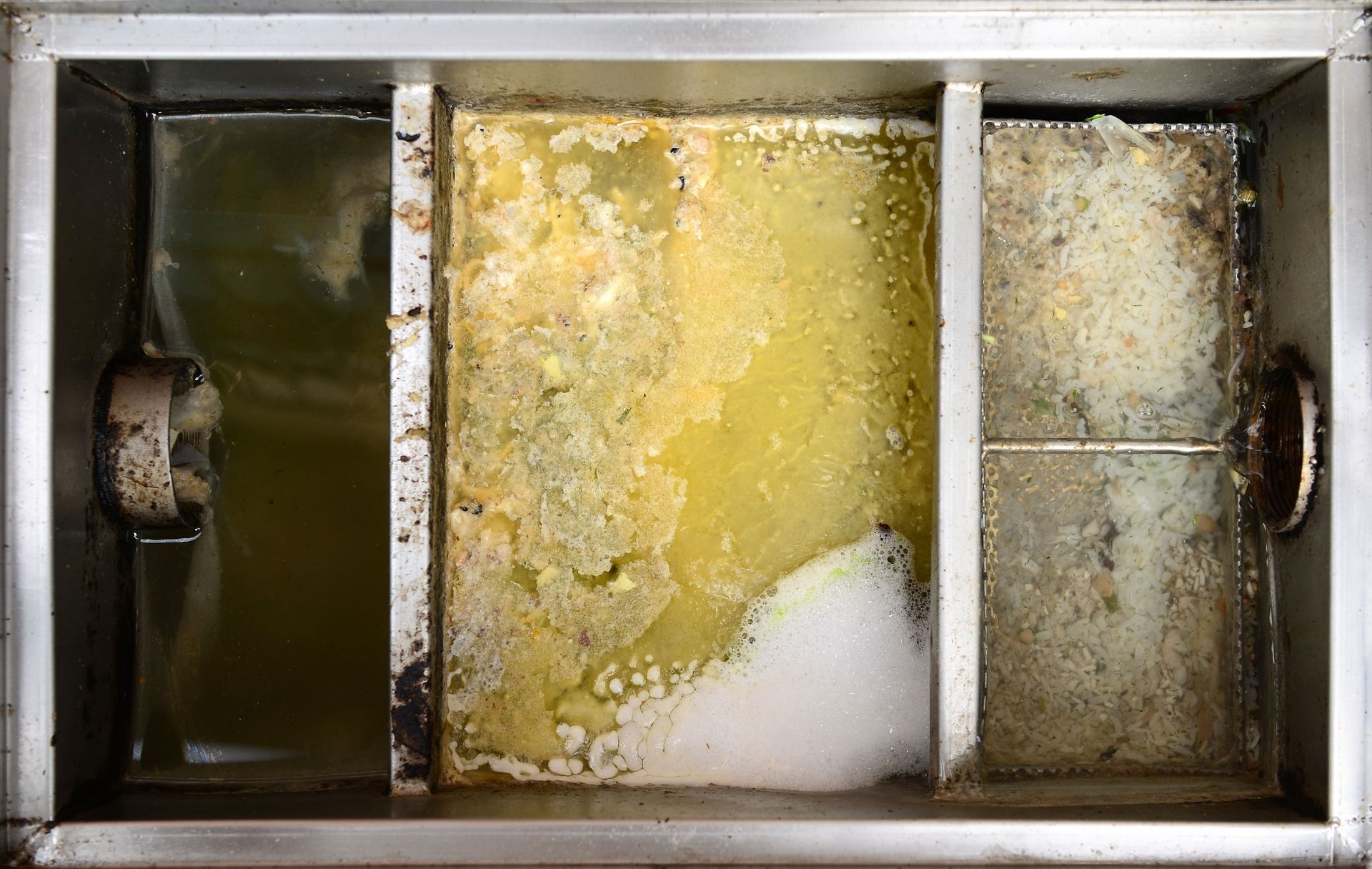
When cooking oil is poured down the drain, it may seem like a quick and convenient solution, but it is a recipe for disaster. While oil may be liquid and free-flowing when hot, it cools quickly once it enters the plumbing system. As it cools, the oil thickens, turning into a waxy, stubborn substance that clings to the insides of pipes.
Over time, this substance accumulates, trapping other food particles and debris, creating massive, resilient blockages known as "fatbergs." These obstructions are incredibly difficult to remove and can cause sewage backups not just within the facility, but potentially impacting the entire neighborhood's wastewater system. The resulting backups are messy, unsanitary, and extremely costly to repair. The associated downtime can also bring business operations to a grinding halt, resulting in lost revenue and potential reputation damage.
Professional service providers prevent these catastrophic failures by ensuring that no oil ever makes it into the municipal wastewater lines. Their specialized approach and equipment capture and contain the grease, protecting the property's infrastructure. In short, correct cooking oil disposal protects the essential plumbing systems that are vital to any commercial building's operation.
Supporting Environmental Sustainability
The impact of improperly disposed of cooking oil extends far beyond just pipes. It can have devastating consequences for the surrounding environment. If oil reaches the sewer system and causes a backup or overflow, it can spill out into the streets, into storm drains, and eventually into local waterways like streams, rivers, and lakes. According to DataHorizonResearch.com, the EPA reports that fats, oils, and grease cause approximately 47% of the 36,000 annual sewer overflow incidents in the United States.
Once in the water, oil creates a thin film over the surface, blocking sunlight and preventing oxygen from dissolving in the water. This film effectively suffocates the aquatic ecosystem, killing fish, plants, and other crucial organisms. It can also coat the feathers of birds and the fur of mammals, destroying their natural insulation and making it impossible for them to float or fly, often leading to death. The ecological cleanup and restoration of such a spill are complex, costly, and can take a long time.
Partnering with a professional management service is a proactive step in preventing these environmental disasters. They handle the oil with great care, containing any potential leaks or spills during the collection process and ensuring it never reaches natural water sources.
Repurposing Waste for Renewable Fuel
One of the most exciting aspects of professional cooking oil disposal is its role in the green economy. What was once considered a problematic waste product is now recognized as a valuable resource. Service providers do not simply dump the oil in a landfill or incineration facility. Instead, they transport the collected material to a specialized processing plant for recycling and repurposing.
During this process, the used oil is carefully filtered and refined to remove impurities and moisture. The resulting clean, high-grade oil is then transformed into biodiesel — a renewable, clean-burning alternative to traditional petroleum diesel. Biodiesel can be used to power trucks, buses, and other vehicles, reducing reliance on fossil fuels and lowering harmful greenhouse gas emissions.
When establishments manage their oil with a professional service, they are not just getting rid of a waste product; they are participating in a sustainable loop. The grease that cooked today's meal could be powering tomorrow's transportation. This process of creating renewable energy from waste is an excellent example of a circular economy in action, where materials are reused to their fullest potential.
Improving Workplace Sanitation
Safety and hygiene are non-negotiable in any food service operation. The presence of large amounts of used oil creates numerous hazards. Cooking oil is highly flammable. Storing it near open flames or heat sources poses a significant fire risk. Furthermore, spilled or improperly contained oil is a significant slipping hazard, threatening the safety of all staff members working in the kitchen.
Kitchen safety and sanitation are inextricably linked to the management of cooking oil. Spilled or improperly contained grease is a magnet for dirt, grime, and pests. It creates a breeding ground for bacteria and makes maintaining a sanitary cooking environment challenging. These conditions can quickly lead to failed health inspections and a negative reputation.
Professional service companies mitigate these risks by providing secure, leak-proof storage containers and establishing a consistent, reliable collection schedule. This approach ensures that waste oil is never allowed to accumulate to unsafe levels. The experts use professional-grade tools to collect the oil cleanly and efficiently, ensuring that the surrounding area remains tidy. By removing this hazardous material promptly and completely, these services significantly improve the overall cleanliness and safety of the workplace.
Ensuring Comprehensive Regulatory Compliance
The regulatory landscape governing the handling, transport, and recycling of industrial and commercial waste can be complex and intimidating. Businesses of all types are subject to stringent regulations from local, state, and federal authorities regarding the correct handling and documentation of their waste products, particularly used cooking oil.
Navigating these regulations without a deep understanding of the law can be challenging and can expose an operation to significant liabilities. Non-compliance, even if unintentional, can lead to substantial fines, mandatory business closures, and potential legal action. Furthermore, municipal inspectors and other regulatory bodies require detailed records and proof that cooking oil disposal was handled by a permitted and insured service provider.
A professional management service provides peace of mind in this area. They are fully versed in all applicable rules and regulations, ensuring that all collection and recycling activities are fully documented and performed in complete compliance. They maintain the necessary licenses and certifications, and they handle all the requisite paperwork.
Simplifying Essential Operational Logistics
Managing an establishment is a complex job that requires careful attention to countless details. From managing staff to ordering supplies, the logistics can be overwhelming. The task of regularly managing used cooking oil disposal should not be an additional burden on top of an already packed schedule.
Handling oil internally requires significant staff time and effort, not to mention specialized knowledge, equipment, and storage space. It can be a dirty and even dangerous task, pulling employees away from more important duties and creating potential safety risks. Professional management of cooking oil disposal is far more than a simple waste removal service. It is an essential partnership that protects plumbing infrastructure, safeguards the environment, contributes to renewable energy solutions, and ensures a safe and compliant working environment.
By outsourcing this essential task to a specialized professional service, businesses can simplify their operations and increase their overall efficiency. These experts bring all the necessary tools and expertise to handle the entire process seamlessly. They develop a tailored schedule that meets the unique needs of each client, and their technicians work quickly and cleanly to minimize disruption.
For reliable, comprehensive, and professional solutions, consider a partnership with Brooks Grease Service. They provide the expertise and service you need to handle your cooking oil disposal with total confidence.