July 29, 2026
In the fast-paced world of modern food service, kitchen operations are constantly evolving to meet tighter margins, stricter environmental regulations, and shifting consumer expectations. While menu innovation and customer service often dominate the conversation, behind-the-scenes waste management plays an equally vital role in a restaurant's long-term viability. Among the various waste streams generated by commercial kitchens, used grease and fat from natural cooking oils present both a significant logistical challenge and an unexpected opportunity. Across the globe, an increasing number of commercial kitchens, diners, and fast-food establishments are turning to structured oil management solutions. Understanding why more and more restaurants are opting for cooking oil recycling requires looking at the combined impact of financial incentives, operational safety, regulatory compliance, and environmental stewardship.
For decades, managing spent kitchen grease was viewed strictly as an operational burden and a messy necessity. Traditional disposal methods often involved manually carried buckets, outdoor storage drums susceptible to leaks, and costly waste removal contracts. However, the modern commercial landscape has flipped this dynamic on its head. Today, discarded grease derived from natural cooking oils is recognized as a valuable commodity within the growing circular economy. Refining facilities can transform spent fryer oil into renewable diesel, traditional biodiesel, heating fuel, and even industrial lubricants. Because biofuel producers actively seek raw material inputs, recycling providers are often willing to pay restaurants for their waste or offer rebate programs based on volume. Instead of treating spent oil as an expense that drains operating budgets, savvy restaurateurs now view it as a steady revenue stream or a way to offset broader utility costs.
The Infrastructure Protection and Regulatory Demand
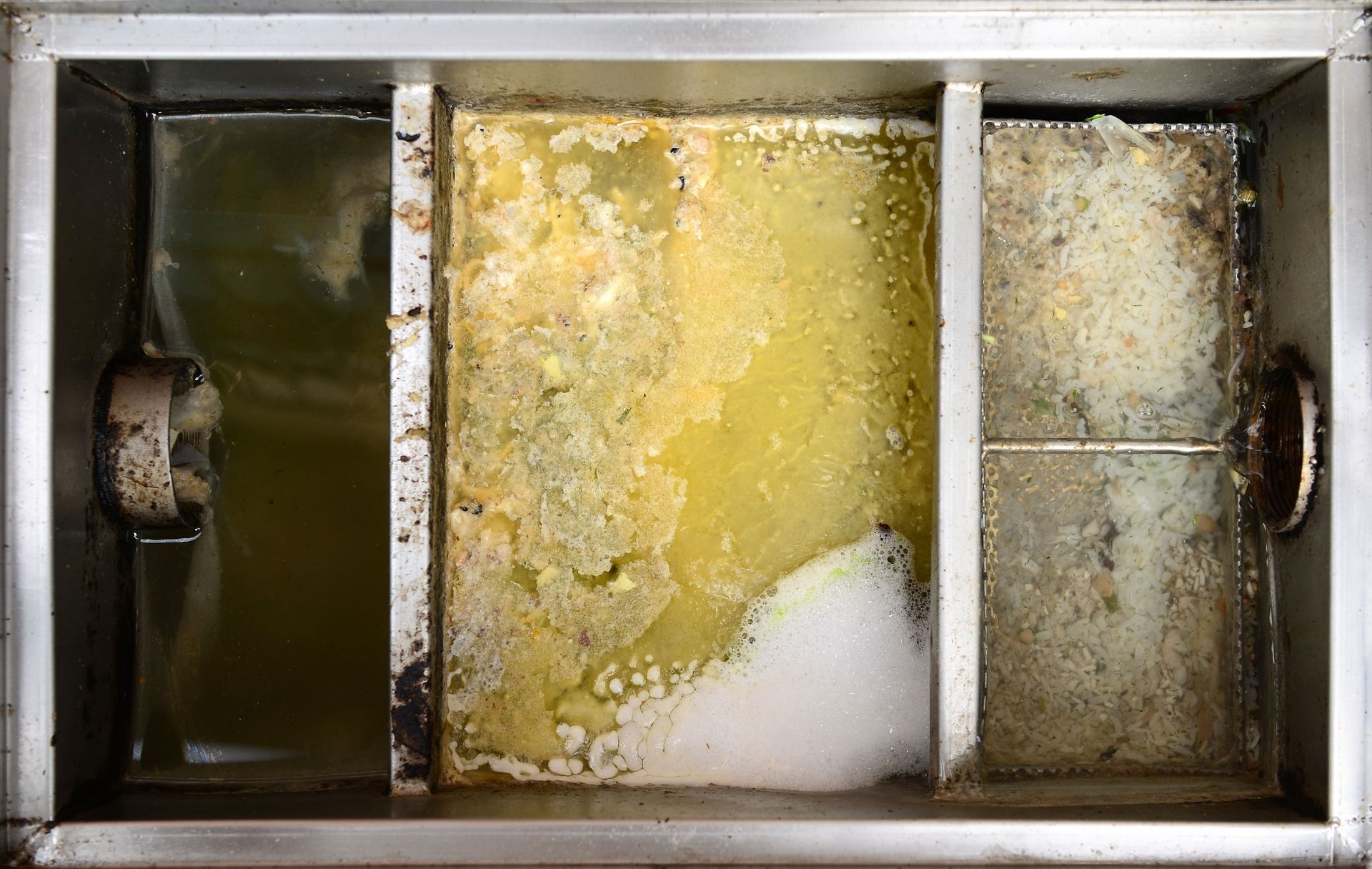
Beyond direct financial incentives, economic savings also manifest in the form of reduced plumbing and maintenance expenses. Improper disposal of fat, oil, and grease—commonly referred to in municipal management as FOG—is one of the leading causes of commercial kitchen plumbing blockages and sewer backups. When hot liquids from processed or natural cooking oils cool inside drainage pipes, they solidify, trapping food particles and forming dense obstructions that disrupt kitchen workflows and require expensive emergency plumbing services. Moreover, when these substances bypass grease traps and enter municipal sewer networks, they can form massive sewer blockages that cause catastrophic environmental spills and heavy municipal fines for the responsible business.
Municipalities and regulatory agencies have taken notice of the severe toll grease buildup places on public infrastructure, leading to stricter enforcement and targeted municipal programs. According to the U.S. Environmental Protection Agency, EPA-backed FOG management initiatives are active in over 60 municipalities, focusing on the proper recovery and disposal of used cooking oils to prevent infrastructure damage. These federal and local initiatives underscore a clear message to commercial kitchens: proper handling of organic waste is no longer optional. By partnering with certified recycling providers, restaurants ensure full compliance with local grease management ordinances, avoiding costly non-compliance penalties, temporary closures, and reputation-damaging health department citations.
The Safety Improvements and Sanitation Benefits
Operational safety and kitchen efficiency represent another compelling reason why food service managers are eager to adopt dedicated recycling programs. Handling scalding liquids, especially heavy residual natural cooking oils after deep-frying, is inherently dangerous for kitchen staff and poses serious risks of severe burns or slip-and-fall accidents. Traditional disposal methods frequently required line cooks to manually transport heavy, scalding buckets of liquid waste across slick kitchen floors to outdoor dumpsters. Modern recycling services often provide state-of-the-art storage hardware, including automated pumping systems and direct-connect outdoor holding tanks. These modern setups allow staff to drain deep fryers with the flip of a switch or through secure, closed-loop hoses. By eliminating manual carrying, kitchens significantly reduce workplace injuries, lower worker compensation claims, and streamline the nightly closing process for staff.
The workplace benefits also extend to back-of-house sanitation and pest control. Traditional outdoor grease drums containing leftover natural cooking oils, if left open or poorly maintained, quickly become breeding grounds for insects and attract rodents and scavengers. Leaks and spills around storage areas create unsightly stains, foul odors, and slipping hazards in service alleys. Professional collection services supply heavy-duty, sealed, and lockable container systems designed to prevent leaks and deter theft or tampering. Regular, scheduled pump-outs ensure that storage hardware never overflows, helping restaurants maintain clean, sanitary outdoor premises that pass health inspections and preserve positive relations with neighboring businesses.
The Ecological Impact and Brand Positioning
Environmental sustainability has also evolved from a marketing buzzword into a core business priority for the restaurant industry. Modern consumers, particularly younger demographics, care deeply about the ecological footprint of the places they patronize. They expect the businesses they support to demonstrate genuine environmental responsibility. Traditional disposal of waste oil through landfills or wastewater systems contributes heavily to greenhouse gas emissions and water pollution. Conversely, diverting spent natural cooking oils into recycling streams directly supports clean energy production. Renewable diesel derived from organic waste burns significantly cleaner than traditional petroleum-derived diesel, reducing carbon emissions by up to eighty percent over its lifecycle. When restaurants recycle their spent oil, they participate in a sustainable closed-loop system that reduces global reliance on fossil fuels.
This commitment to sustainability provides restaurants with a powerful storytelling tool for marketing and customer engagement. Diners are increasingly drawn to establishments that showcase transparent eco-friendly practices. Highlighting a partnership with a green energy recycling service allows a restaurant to differentiate itself in a highly competitive market. Whether featured on a menu, highlighted on social media, or displayed on a window decal, a visible recycling initiative demonstrates that the brand values the community and the planet. This positive brand perception fosters customer loyalty and helps build a strong, value-driven identity.
The Long-Term Viability and Industry Standard
The continuous growth of the renewable energy sector guarantees that the demand for recycled organic inputs will remain high for years to come. Government mandates promoting biofuels, coupled with corporate sustainability goals across the transport sector, have created a robust, permanent market for recovered waste products. As a result, recycling logistics companies are investing heavily in advanced routing, real-time tank monitoring technology, and specialized collection fleets to make the process completely hassle-free for restaurant operators. Automated sensors inside outdoor holding tanks can now alert collection providers when a tank is near capacity, ensuring timely pickups without kitchen staff ever having to pick up the phone.
Beyond operational convenience, this technological evolution allows restaurants to easily track their cumulative environmental contributions. Detailed impact reports provided by recycling partners quantify carbon offset metrics, volume of recovered natural cooking oils, and landfill diversion rates. Kitchen managers can use this verifiable data to validate corporate social responsibility goals or satisfy internal sustainability reporting. Having concrete evidence of green practices gives managers full confidence that their back-of-house waste strategies generate measurable benefits for the planet.
The widespread shift toward cooking oil recycling is driven by a powerful alignment of financial, operational, and environmental benefits. What was once considered a hazardous, messy waste product has become a valuable resource that supports cleaner transportation, safer kitchens, and healthier municipal infrastructure. By embracing structured recovery solutions for used cooking oils, restaurants successfully cut operating costs, safeguard their employees from workplace hazards, protect community plumbing, and attract eco-conscious diners. As technology advances and global demand for renewable energy continues to accelerate, cooking oil recycling will remain a fundamental standard of smart, responsible, and profitable restaurant management. Contact Brooks Grease Service today to streamline your kitchen operations, reduce maintenance hassles, and turn your waste oil into a sustainable asset for your business.