May 19, 2026
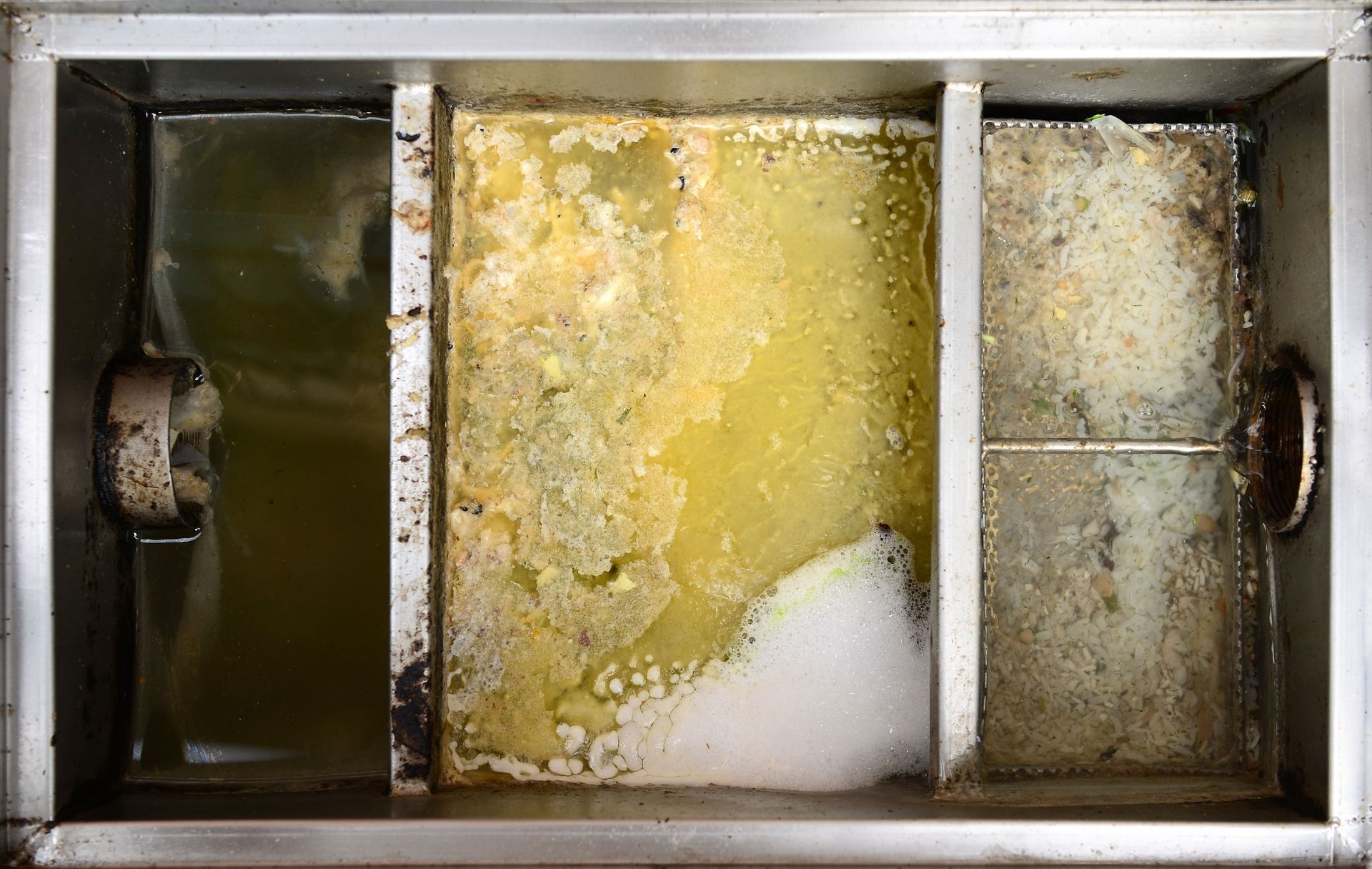
Maintaining a professional kitchen requires more than just culinary skill; it demands a rigorous commitment to infrastructure management and environmental responsibility. One of the most critical yet frequently ignored components of a commercial food service operation is the interceptor system designed to capture fats, oils, and grease. Without a disciplined approach to maintenance, these substances can wreak havoc on your plumbing and the local municipal sewer lines. Prioritizing a consistent schedule for your grease trap service is not merely a suggestion but a fundamental requirement for operational longevity.
Preventing Costly Plumbing Obstructions
Avoiding the nightmare of a complete kitchen shutdown begins with understanding how fat behaves inside your drainage pipes once it cools down. As hot water carries liquefied fats away from the dish pit, the temperature eventually drops, causing the grease to solidify and cling to the interior walls of the plumbing. Over time, these layers thicken, narrowing the passage until a total blockage occurs, often at the most inconvenient times during peak service hours. Investing in regular grease trap service ensures that these materials are captured at the source before they ever have the chance to migrate deep into your facility's drainage lines.
Eliminating Foul Kitchen Odors
Neutralizing the pungent smells that can waft from a neglected interceptor is vital for maintaining a pleasant atmosphere for both your staff and your customers. When organic waste sits in a tank for too long, it begins to undergo an anaerobic decomposition process that releases hydrogen sulfide and other noxious gases. These odors are not only off-putting to diners but can actually permeate the building's ventilation system, making the entire establishment smell like rotting waste. By scheduling professional trap services, you remove the decaying sludge that causes these smells, ensuring that your dining room remains inviting and fresh.
Ensuring Compliance With Local Regulations
Navigating the complex landscape of municipal codes and environmental health standards is a mandatory part of running any successful restaurant or food processing plant. Most cities have strict mandates regarding how much grease can be discharged into the public sewer system to prevent massive "fatbergs" from forming in city pipes. According to Wind River Environmental, grease traps require cleaning about every 30 days, depending on local ordinances. Failure to adhere to these specific timelines can result in heavy fines, permit revocations, or even the temporary closure of your business by health inspectors who prioritize the integrity of the public infrastructure.
Reducing Environmental Impact Risks
Protecting the local ecosystem is a significant responsibility for any business that produces a large volume of liquid waste on a daily basis. When an interceptor overflows because it is too full to function, the excess grease bypasses the filtration process and enters the wastewater stream, eventually reaching local water treatment plants or natural waterways. This contamination can harm aquatic life and disrupt the delicate chemical balance of the environment. A recurring grease trap service ensures that your facility operates as a "green" business, responsibly containing harmful materials and ensuring they are disposed of at specialized rendering or composting facilities rather than the river.
Minimizing Pest Infestation Hazards
Discouraging the presence of cockroaches, flies, and rodents is much easier when you eliminate their primary food sources hidden within your plumbing systems. Thick layers of old grease provide a nutrient-rich breeding ground for various pests that thrive in moist, dark environments found in kitchen drains. Once these pests establish a colony inside a neglected trap, they can easily migrate into food storage areas, posing a severe threat to food safety and your reputation. Utilizing a routine trap service removes the accumulated "slurry" that attracts these unwanted visitors, acting as a powerful secondary layer of defense in your pest control strategy.
Extending Equipment Operational Lifespan
Enhancing the durability of your mechanical systems is a direct financial benefit of keeping your interceptors clean and free of heavy sediment. When a trap becomes overly full, it creates backpressure in the lines, which can put unnecessary strain on dishwashers, floor drains, and commercial sinks. In some cases, the acidic nature of decomposing grease can actually corrode the metal or plastic components of the trap itself, leading to leaks that are expensive to repair. Consistent trap service allows a technician to inspect the baffles and seals for wear and tear, catching minor structural issues before they evolve into a complete system failure.
Improving Overall Kitchen Hygiene
Maintaining a sanitary workspace is the hallmark of a professional kitchen, and the state of your drains is a primary indicator of that cleanliness. A clogged or overflowing trap can cause "back-flow," where dirty water pushes back up through floor drains, creating slip hazards and spreading bacteria across the kitchen floor. This creates an unsafe environment for chefs and servers who are moving quickly during a rush. By prioritizing your trap service, you ensure that all greywater exits the building immediately and efficiently, keeping the floors dry and the workspace free from the microbial contaminants associated with stagnant, greasy water.
Evaluating Waste Accumulation Levels
Observing the specific output of your kitchen allows you to tailor your maintenance schedule to your actual needs rather than relying on guesswork. Every kitchen is different; a steakhouse will produce significantly more grease than a vegan cafe, meaning their cleaning requirements will differ vastly despite having similar tank sizes. During a standard trap service, the technician can measure the "FOG" (Fats, Oils, Grease) layer and the solids layer to tell you exactly how quickly your trap is filling up. This data-driven approach helps you optimize your operational budget by ensuring you aren't paying for cleanings too often or waiting until it is too late.
Avoiding Emergency Service Premiums
Saving money on labor costs is often a matter of timing and foresight rather than finding the cheapest available contractor in a moment of panic. Emergency plumbing calls on weekends or late at night often come with significantly higher hourly rates and travel fees compared to a pre-scheduled, recurring appointment. When you sign up for a regular grease trap service, you lock in a predictable cost and avoid the stress of searching for an available technician while your kitchen is flooding. It is far more cost-effective to pay for a planned maintenance visit than to lose business because the drains stop working.
Simplifying Record Keeping Protocols
Organizing your paperwork for health department audits becomes a seamless process when you work with a professional environmental service provider. Most local inspectors require a "manifest" or a logbook that proves exactly when the trap was cleaned and where the waste was hauled for disposal. A professional grease trap service company will provide you with digital or physical documentation after every visit, ensuring that you are always prepared for a surprise inspection. This level of organization demonstrates to the authorities that you are a responsible business owner who takes public safety and environmental regulations seriously, often leading to smoother inspection experiences.
Promoting Better Flow Efficiency
Restoring the hydraulic efficiency of your drainage system ensures that your kitchen can handle high-volume shifts without any slowing down of the dish-washing process. When the interceptor is clean, water moves through the baffles exactly as the engineers intended, allowing for maximum separation of solids and liquids. As the trap fills, this flow is disrupted, causing water to move more slowly through the sinks. A thorough grease trap service clears out the heavy solids that sit at the bottom of the tank, which are often overlooked but take up valuable space. This ensures that every gallon of water enters and exits the system at peak velocity.
The necessity of maintaining a strict schedule for interceptor cleaning cannot be overstated for any commercial food establishment. From preventing catastrophic plumbing backups and avoiding massive municipal fines to ensuring a hygienic environment for your staff, the benefits of a professional grease trap service are multifaceted. By adhering to the 30-day cleaning rule often recommended by experts, you protect your equipment, your finances, and the environment simultaneously. Taking a proactive stance on waste management is not just a chore; it is a strategic business decision that allows you to focus on what you do best: providing exceptional food and service to your community. Are you seeking a dependable grease trap service in the Little Rock, AR area? The team at Brooks Grease Service is ready to assist! Call today for more information about our services.