September 14, 2026
Managing used cooking oil effectively is one of the most critical operational challenges facing modern commercial kitchens, food processing facilities, and food service establishments today. The primary goal of grease management is to maintain seamless kitchen operations while remaining fully compliant with regional municipal standards and environmental protection guidelines. When kitchen staff members dump fats, oils, and grease into sinks, the liquid quickly cools, hardens, and coats the interior walls of local drainage infrastructure. This behavior leads directly to severe pipe blockages, sewer overflows, health code violations, and costly emergency plumbing repairs. Establishments must recognize that kitchen liquid waste management directly impacts the health and functionality of their internal interceptors and local municipal sewer networks. Strategic cooking oil disposal is the foundational pillar for maintaining healthy drainage hardware, eliminating system stress, avoiding catastrophic mechanical failures, and supporting long term regulatory compliance across all commercial operations.
Establishing consistent operational protocols for handling fats and liquid fats ensures that kitchen waste streams remain isolated from standard drainage points. Facilities that prioritize responsible oil handling drastically reduce the volume of viscous organic compounds entering their internal drainage hardware, which allows interceptors to separate lighter FOG compounds from heavy solids efficiently. By directing used liquid fats away from sinks, food providers protect community sewer infrastructure from hazardous sewer backups while optimizing their internal plumbing systems. Implementing robust used cooking oil disposal protocols eliminates the burden placed on internal separation equipment, helping establishments fulfill their legal responsibilities, avoid heavy financial penalties, and contribute positively to community environmental health initiatives.
Handling Used Cooking Oil Safely in Kitchens
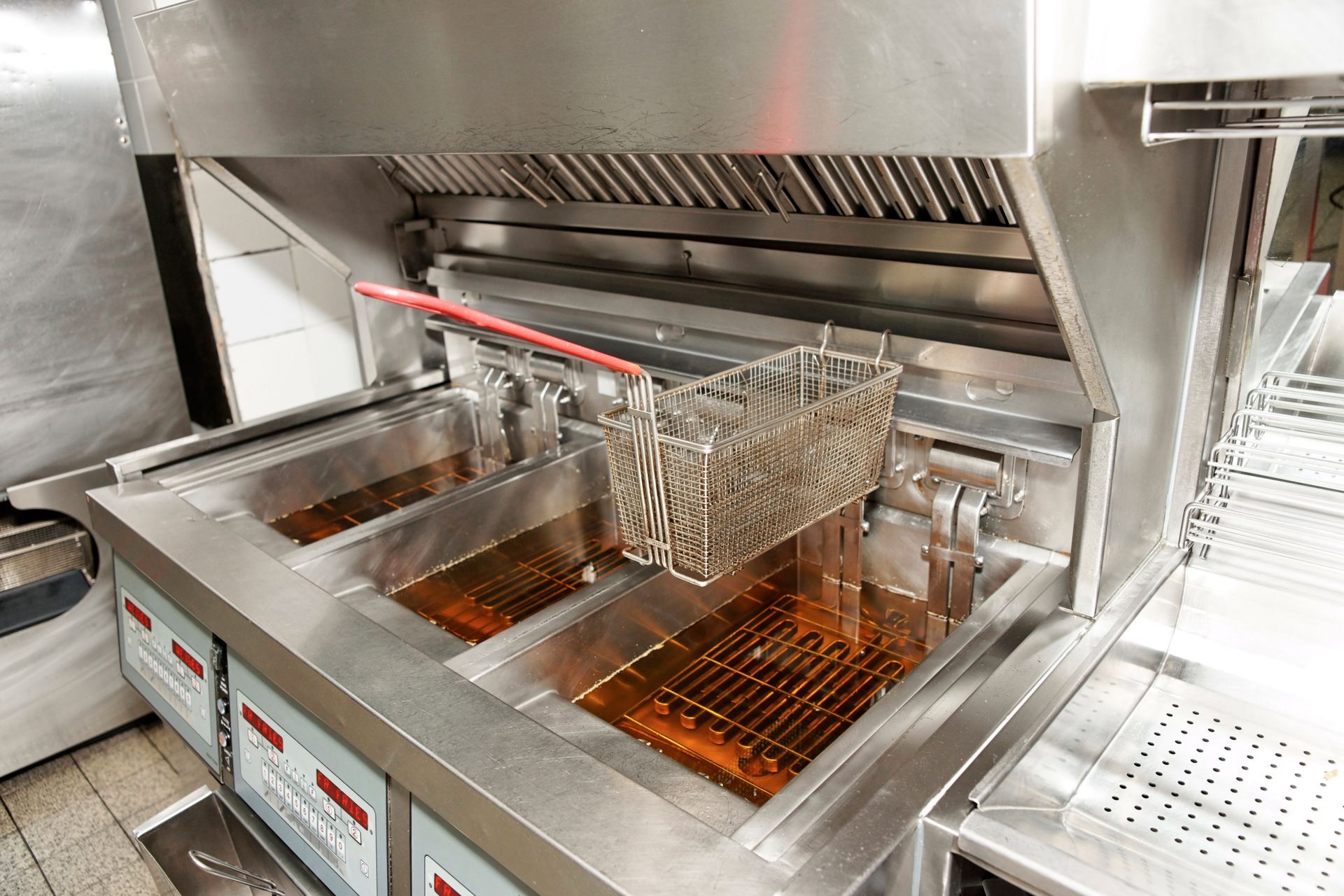
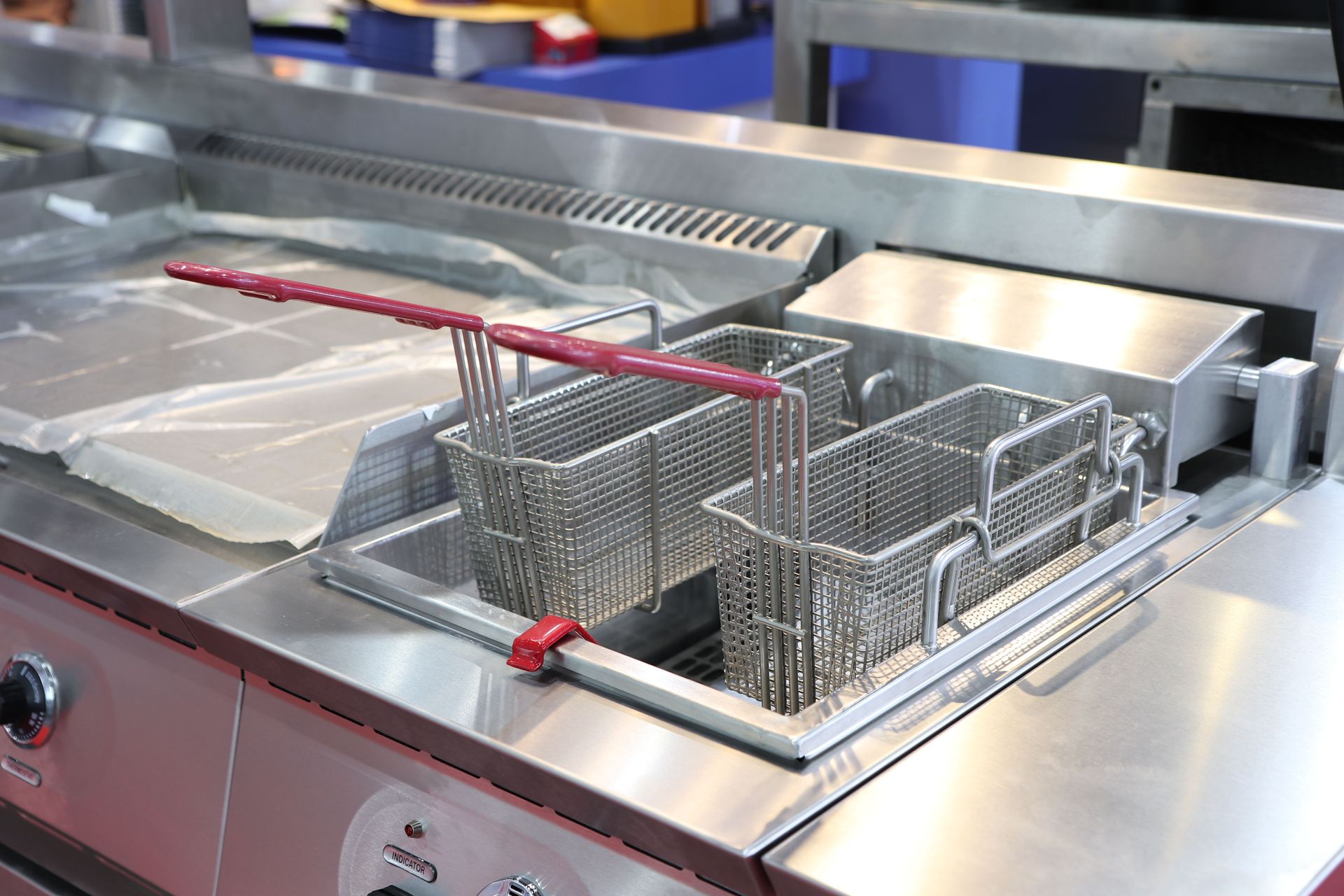
Kitchen staff must implement systematic procedures to collect, store, and manage liquid fats generated during daily food preparation processes. Safe handling begins by allowing hot fryer liquids to cool down to manageable temperatures before transferring them into dedicated, leak-proof containment vessels. Pouring hot liquid fats directly into plastic bins or drainage pipes presents immediate fire hazards, personal safety risks, and severe pipe degradation. Establishments should utilize heavy-duty, heat-resistant storage tanks situated in designated waste holding areas equipped with secondary containment structures to capture unexpected spills. Maintaining clean, secure storage areas prevents vector attraction, stops foul odors from spreading throughout the property, and eliminates slip hazards for kitchen staff members.
Implementing systematic collection protocols minimizes the risk of accidental spills into floor drains, which are often directly connected to internal interceptors. Commercial kitchens must establish strict zero discharge rules for sinks, requiring employees to scrape food scraps and heavy grease into solid waste receptacles before washing cookware. Utilizing dry cleanup methods, such as wiping down prep surfaces and cookware with absorbent paper towels, further reduces the volume of viscous liquids entering the wastewater stream. Organized collection workflows ensure that high volumes of liquid fats are completely isolated from liquid waste lines, making eventual transportation and reprocessing infinitely simpler.
Maintaining Grease Traps through Consistent Collection Schedules
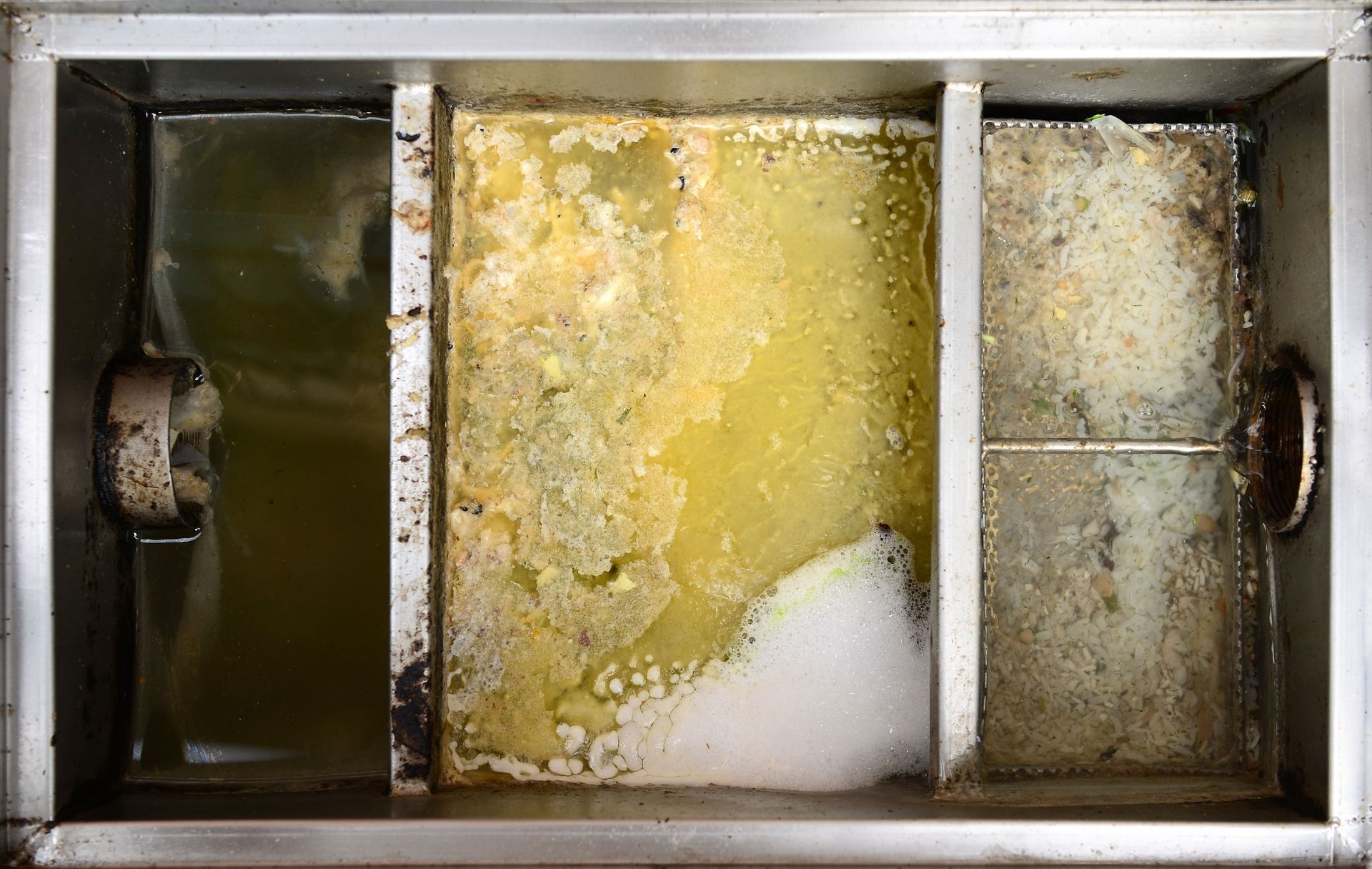
Interceptors and separation devices rely on stable liquid dynamics and adequate retention time to separate floating fats from water effectively. When kitchen staff fail to divert liquid fats away from sinks, interceptors become overloaded long before their scheduled maintenance dates, leading to massive system failures. Excessive accumulation of dense grease layers reduces the active volume within the device, causing incoming wastewater to rush through without adequate settling time. As a result, untreated grease escapes into municipal sewer mains, resulting in severe environmental pollution and immediate municipal citations. Scheduling routine professional pumping services prevents grease caps from hardening, preserves the mechanical separation process, and ensures that interceptors operate at maximum capacity without risk of overflow.
Regulatory agencies impose stringent controls on how businesses manage and maintain their grease traps, aiming to prevent pollution and infrastructure damage. According to the LOTT Clean Water Alliance, establishments producing FOG must adhere to specific cleaning intervals, ranging from every 14 days to 90 days depending on equipment size. These regulations require businesses to maintain regular cleaning schedules, properly document their grease disposal activities, and select adequate storage and disposal methods. When establishments pair routine professional interceptor maintenance with rigorous cooking oil disposal practices, they create a robust waste management system that easily passes municipal inspections. Staying ahead of maintenance schedules prevents unpleasant sulfur odors from backing up into dining areas and protects businesses from unexpected emergency plumbing bills.
Partnering with Professional Cooking Oil Recycling Services
Working with licensed service partners allows commercial kitchens to streamline their waste handling workflows while remaining fully compliant with environmental legislation. Professional collection providers offer specialized outdoor storage containers, handle heavy lifting, and establish reliable pickup routes tailored to a facility's specific output volume. These authorized service providers collect raw waste materials and transport them to advanced rendering facilities where the liquid is processed into valuable commodities like renewable diesel, biofuel, and industrial lubricants. Partnering with certified collectors provides food establishments with verifiable chains of custody and formal waste tracking documentation necessary for municipal regulatory audits.
Delegating waste management responsibilities to specialized professionals frees up valuable time and internal resources, allowing restaurant managers to focus on core culinary and business operations. Authorized collection services utilize specialized vacuum trucks and sealed containment equipment to haul away large quantities of waste cleanly, efficiently, and without mess. Professional providers also audit kitchen practices, offer advice on storage optimization, and supply fresh containment units whenever existing structures show signs of wear. Responsible cooking oil disposal through certified channels guarantees that waste materials are recycled, contributing to a circular economy and significantly reducing the enterprise's overall carbon footprint. Commercial food providers benefit from enhanced operational efficiency, transparent recordkeeping, and total peace of mind regarding local environmental standards.
Documenting Grease Interceptor Maintenance for Regulatory Inspections
Maintaining thorough, organized waste management records is mandatory for commercial food service providers operating under municipal health and environmental oversight. Municipal inspectors regularly review service logs, pumping manifests, and recycling receipts to verify that a business cleans its interceptor systems within mandated statutory timeframes. Manifests must clearly state the volume of waste removed, the date of service, the identity of the licensed transporter, and the ultimate disposal destination. Failing to present accurate records during an unannounced municipal audit can result in immediate fines, operational suspensions, or mandatory operational shutdowns. Digital archiving of all manifests ensures that kitchen managers can instantly provide physical or electronic proof of compliance whenever local environmental authorities request verification.
Creating a centralized repository for environmental compliance documents allows kitchen managers to monitor waste trends, anticipate maintenance needs, and audit internal waste handling efficiency over time. Consistently tracking pump out frequencies helps management identify sudden increases in grease accumulation, which often points to poor kitchen practices or employee training gaps. Accurate documentation serves as proof that the business actively minimizes its environmental impact and takes its civic obligations seriously. When municipal authorities observe well maintained logs detailing consistent cooking oil disposal and interceptor cleanouts, the business earns a strong reputation for operational excellence and environmental stewardship. Comprehensive recordkeeping transforms regulatory compliance from a chaotic source of stress into a seamless, highly organized daily routine.
Supporting Environmental Sustainability with Responsible Waste Handling
Embracing comprehensive waste management strategies delivers immense benefits for individual businesses, local infrastructure, and the broader natural environment. Diverting fats, oils, and grease away from public sewer systems prevents dangerous fatbergs from forming inside municipal pipelines, protecting water treatment plants from catastrophic failures. Furthermore, keeping organic pollutants out of natural waterways prevents severe oxygen depletion, protecting sensitive aquatic ecosystems from toxic runoff. Sustainable liquid waste handling transforms a potentially hazardous byproduct into high value renewable energy sources that replace fossil fuels and lower global carbon emissions.
Integrating efficient used
cooking oil disposal habits into daily kitchen workflows ensures long term grease trap functionality while fulfilling essential regulatory requirements for commercial operations. Every food service facility bears a direct responsibility to manage its organic waste streams ethically, safely, and in full alignment with local municipal mandates. Partnering with trusted industry specialists like Brooks Grease Service ensures that your facility maintains complete regulatory compliance, optimizes its grease trap performance, and contributes to a cleaner, more sustainable community; contact us today to establish a customized collection schedule tailored to your operational needs.