May 18, 2026
Commercial kitchens operate under constant pressure to maintain speed, hygiene, and regulatory compliance. One of the most overlooked components supporting that balance is the grease management system. Without consistent attention, buildup from food preparation can quickly interfere with plumbing performance, increase maintenance costs, and create sanitation concerns that ripple through the entire operation.
Modern kitchen infrastructure relies heavily on efficient separation of fats, oils, and solid waste before they enter drainage systems. This is where a grease trap plays a central role. Designed to capture and contain waste byproducts from cooking processes, a grease trap helps ensure that wastewater leaving the kitchen is significantly cleaner and less likely to cause downstream issues in plumbing networks.
Maintaining these systems is not simply a matter of avoiding inconvenience. It is an essential operational requirement that supports health standards, environmental responsibility, and long-term equipment reliability. When properly managed, they contribute to smoother kitchen workflows and reduce the likelihood of disruptive service interruptions that can impact revenue and compliance status.
Understanding Modern Grease Trap Systems
How Grease Trap Systems Function in Commercial Kitchens
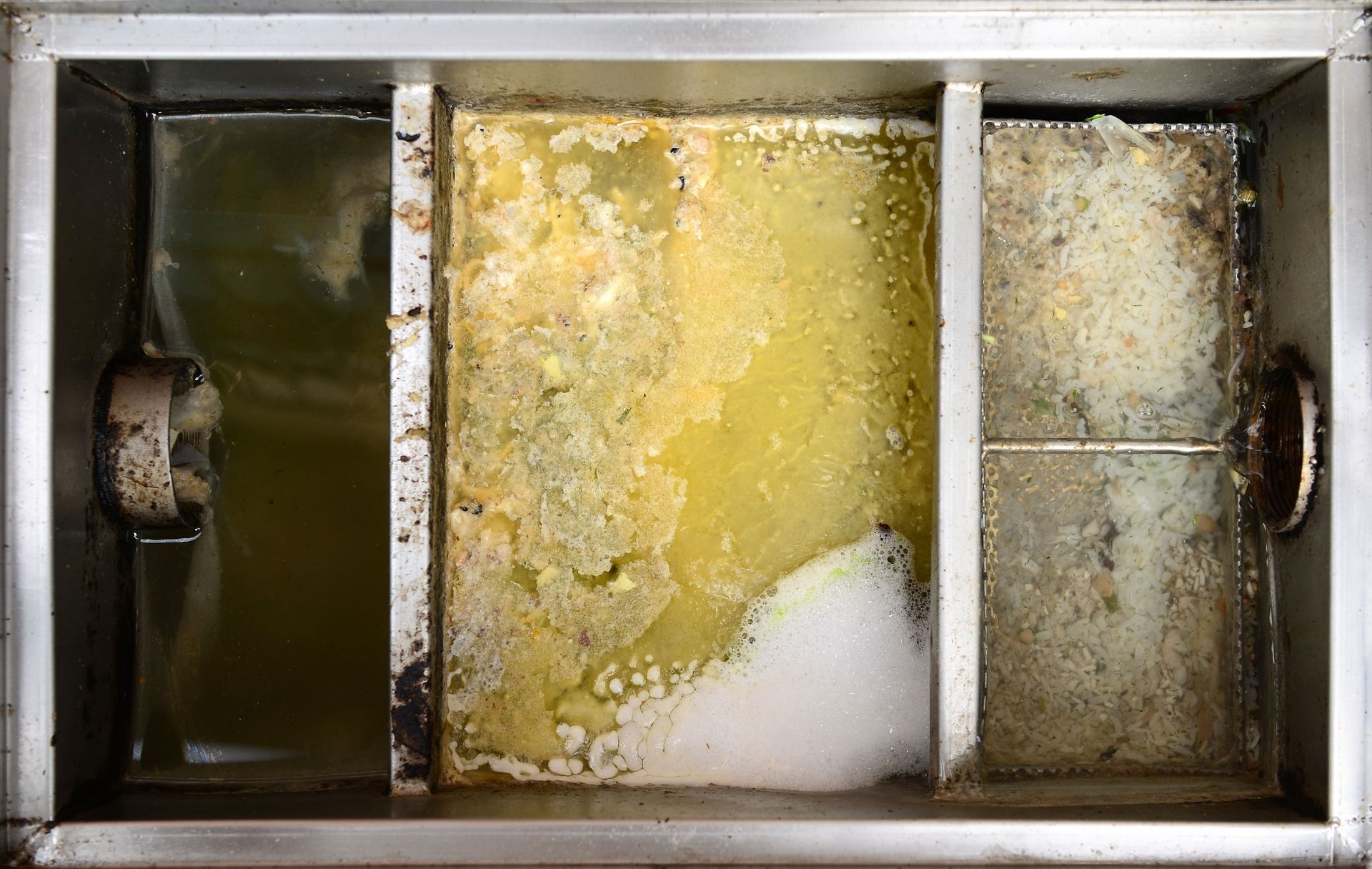
Grease traps are designed to slow wastewater flow so that separation can occur naturally within the unit. As hot, greasy water from dish washing and cooking enters the system, it begins to cool. This cooling process allows fats and oils to solidify and rise to the surface while heavier solids sink to the bottom. Cleaner water then continues through the drainage system.
In practical application, grease traps act as a first line of defense against plumbing contamination. They are typically installed between kitchen fixtures and the main sewer line, ensuring that waste is intercepted before it can accumulate in municipal infrastructure. Without this separation process, buildup can quickly lead to blockages that are difficult and expensive to resolve.
Over time, these systems collect a significant amount of waste material, which is why regular servicing is essential. When left unattended, the separation process becomes less effective, reducing overall efficiency and increasing the risk of overflow or backup.
Common Installation Configurations and Capacity Planning
The design and placement of grease traps depend heavily on kitchen size, cooking volume, and plumbing layout. Smaller establishments may rely on under-sink units, while larger commercial operations often require external or in-ground systems capable of handling higher waste loads.
Proper sizing is critical to performance. If a unit is undersized, it will fill too quickly, reducing separation efficiency and increasing maintenance frequency. If it is oversized without proper flow management, waste may not separate effectively, leading to similar operational issues.
Commercial planners often evaluate peak usage patterns when determining system capacity. This includes assessing dish washing frequency, fryer usage, and overall meal volume. These factors influence how frequently grease traps must be serviced and how effectively they can manage waste over time.
Health and Environmental Implications of Poor Maintenance
Neglected systems can quickly become a source of sanitation and compliance issues. Accumulated waste may begin to decompose, producing odors and attracting pests. In addition, clogged systems increase the likelihood of wastewater backing up into kitchen areas, creating unsafe working conditions.
From an environmental standpoint, poorly maintained systems place additional strain on municipal wastewater treatment facilities. According to Industry Research, a properly maintained grease trap intercepts 80% to 90% of fats, oils, and grease before they reach municipal sewer systems, significantly reducing infrastructure strain and contamination risk.
This level of efficiency is only achievable through consistent maintenance and timely waste removal. When systems are neglected, their ability to separate waste declines rapidly, increasing both operational risk and environmental impact.
Maintenance Practices That Preserve System Performance
Routine Cleaning and Waste Removal Schedules
Consistent maintenance is the foundation of effective grease management. In most commercial environments, service intervals depend on kitchen output and regulatory requirements, but routine cleaning is typically required every few months to maintain optimal performance.
During servicing, accumulated fats, oils, and solids are removed from the system to restore proper flow and separation efficiency. This process also allows technicians to evaluate internal conditions and identify early signs of wear or malfunction.
Grease traps require more frequent attention in high-volume kitchens, where continuous cooking activity accelerates waste buildup. Without regular cleaning, even well-designed systems can lose efficiency quickly, leading to operational disruptions.
Inspection Protocols and Early Problem Detection
Routine inspections are essential for identifying issues before they escalate into major system failures. These evaluations typically focus on flow performance, structural integrity, and accumulation levels inside the unit.
Early warning signs often include slower drainage, minor odor development, or uneven waste distribution within the system. Addressing these issues promptly helps prevent more severe complications such as backups or pipe damage.
Grease traps that are inspected regularly tend to have longer service lives and more consistent performance. Preventive attention reduces emergency repair needs and helps maintain compliance with health and safety standards.
Emergency Response and System Restoration
Even with consistent maintenance, unexpected issues can occur. Blockages, structural damage, or sudden overflows require immediate attention to prevent kitchen shutdowns and sanitation hazards.
Emergency response services focus on restoring flow, removing obstructions, and stabilizing system performance as quickly as possible. These interventions are critical in minimizing downtime and preventing secondary damage to surrounding plumbing infrastructure.
Rapid response capability is especially important in high-demand commercial environments where even short interruptions can impact service delivery and customer satisfaction.
Operational Efficiency And Long-Term System Management
Regulatory Compliance and Documentation Requirements
Commercial kitchens must adhere to strict sanitation and environmental regulations governing waste disposal. Proper documentation of service history is often required during inspections to demonstrate compliance with local standards.
Maintaining accurate records of cleaning schedules, waste removal, and system inspections helps ensure transparency and accountability. This documentation also supports operational audits and reduces the risk of fines or penalties associated with improper waste handling.
Grease traps that are serviced regularly and documented appropriately are less likely to encounter regulatory issues, as they demonstrate consistent adherence to required maintenance protocols.
Impact on Plumbing Infrastructure Longevity
One of the most significant benefits of proper grease management is the protection it provides to internal plumbing systems. Accumulated waste can cause corrosion, blockages, and long-term structural damage if it enters drainage lines unchecked.
By capturing waste at the source, these systems reduce strain on pipes and extend the functional lifespan of plumbing infrastructure. This leads to fewer repair costs and improved system reliability over time.
In high-volume kitchens, this protective function is especially important, as continuous wastewater flow increases the likelihood of buildup in untreated systems.
Cost Efficiency and Operational Stability
While maintenance represents an ongoing operational cost, it is significantly lower than the expense of emergency repairs or system replacement. Preventative care helps avoid disruptions that can result in lost revenue, regulatory penalties, and reputational damage.
Well-maintained systems operate more efficiently, reducing the likelihood of service interruptions and improving overall kitchen workflow. This stability allows staff to focus on food preparation and service rather than plumbing-related issues.
Grease traps that are properly maintained also reduce the frequency of emergency interventions, further contributing to predictable operational budgeting and long-term cost control.
Effective grease management is a fundamental requirement for any commercial kitchen that prioritizes efficiency, safety, and compliance. These systems serve as a critical barrier between food production processes and municipal infrastructure, helping to maintain both operational stability and environmental responsibility.
When properly maintained, they reduce the likelihood of plumbing failures, minimize sanitation risks, and support consistent kitchen performance. Regular servicing, timely inspections, and responsible waste handling all contribute to a system that functions reliably under demanding conditions.
Ultimately, long-term success in commercial food service depends on more than just culinary execution. It requires attention to the supporting infrastructure that keeps operations running smoothly day after day. For a grease trap cleaning service you can rely on for professional maintenance, reach out to Brooks Grease Service!