May 10, 2026
Managing waste is a critical part of running a successful food-related business, yet it is often overlooked in day-to-day operations. One of the most important aspects of waste management is cooking oil disposal. Whether you operate a restaurant, food truck, catering service, or commercial kitchen, how you handle used oil can significantly impact your costs, efficiency, and long-term sustainability. Poor practices can lead to plumbing issues, fines, and operational disruptions, while smart strategies can help protect your business and even create opportunities for savings.
Cooking oil disposal is not just about getting rid of waste—it is about managing a resource responsibly. With the right approach, businesses can streamline operations, avoid costly mistakes, and contribute to a cleaner environment. By understanding the best practices and working with professionals, you can turn what might seem like a burden into a strategic advantage.
Efficient Oil Handling Practices
Proper handling of used cooking oil begins in the kitchen. Establishing consistent routines ensures that oil is stored safely and prepared for removal without creating hazards. Staff should be trained to handle oil carefully, minimizing spills and avoiding contamination with other waste materials. When oil is handled properly from the start, it reduces the risk of accidents and simplifies the disposal process.
Efficient handling also involves using appropriate containers designed specifically for oil storage. These containers help prevent leaks, control odors, and maintain cleanliness in your workspace. By keeping oil contained and organized, businesses can avoid unnecessary messes that disrupt operations and require additional cleanup.
Another important aspect of handling is timing. Allowing oil to cool before transferring it reduces safety risks and helps maintain the quality of storage containers. Consistency in handling procedures creates a safer environment and lays the foundation for cost-effective cooking oil disposal practices.
Professional Disposal Partnerships
Working with a professional service provider is one of the most effective ways to manage cooking oil disposal. These experts understand the regulations, equipment, and processes required to handle waste oil safely and efficiently. By partnering with a reliable provider, businesses can focus on their core operations while leaving disposal logistics in capable hands.
Professional services offer scheduled pickups, ensuring that oil is removed before it becomes a problem. This prevents overflow issues and keeps your facility clean and compliant. Regular service also eliminates the need for staff to manage disposal on their own, saving time and reducing the risk of errors.
In addition to convenience, professional partnerships provide peace of mind. Service providers stay up to date with industry standards and environmental regulations, helping your business avoid potential fines or penalties. This proactive approach not only protects your reputation but also contributes to long-term savings.
Regulatory Compliance Awareness
Compliance with local and federal regulations is essential for any business that generates waste oil. Improper disposal can lead to serious consequences, including fines, environmental damage, and operational disruptions. Understanding and adhering to these regulations is a key component of effective cooking oil disposal.
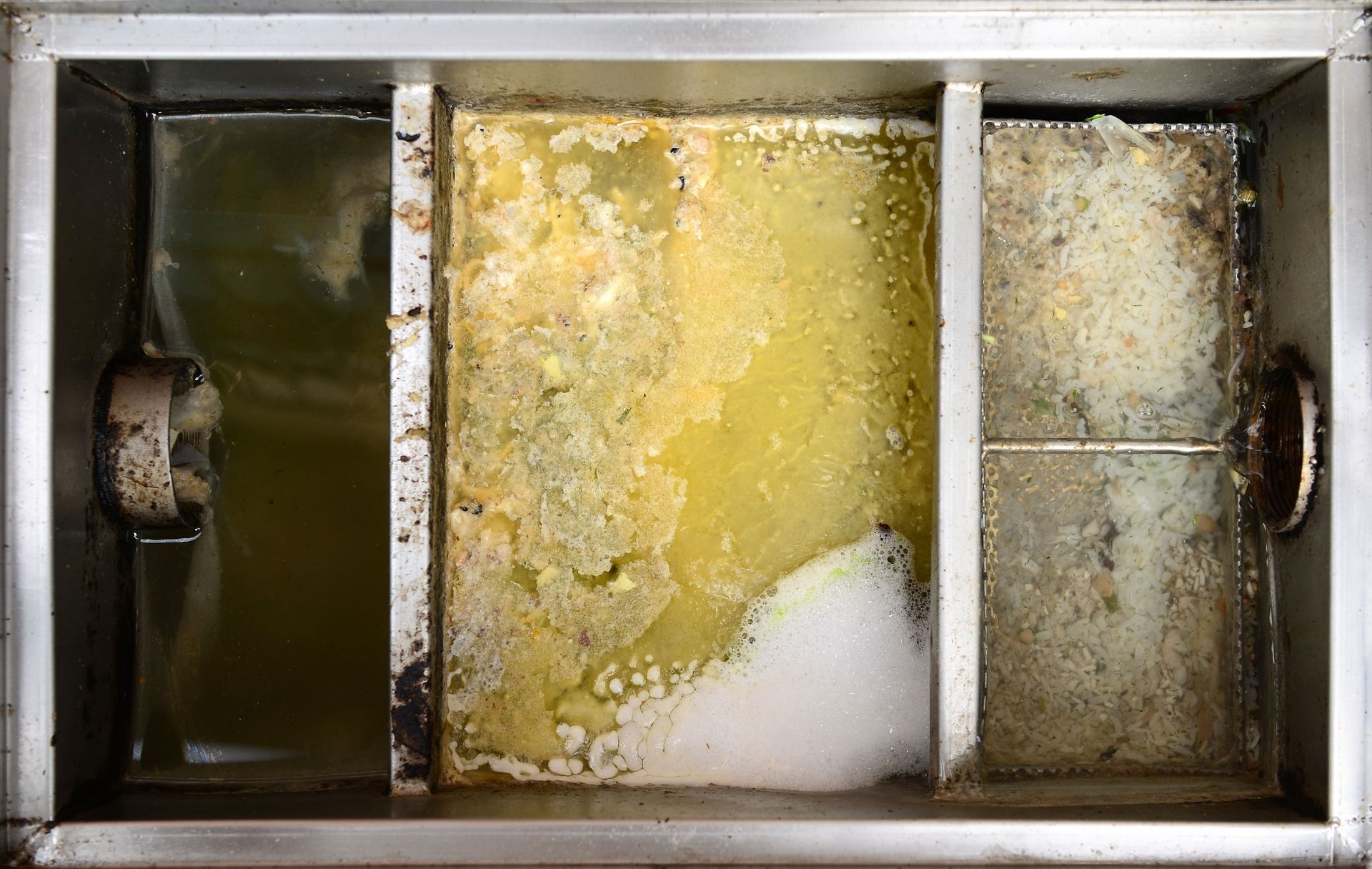
According to the City of Raleigh, the EPA estimates that 47% of all sewer blockages and overflows are caused by grease from restaurants, homes, and industrial sources. This highlights the importance of proper disposal practices and the role businesses play in maintaining public infrastructure. Failing to manage grease correctly can contribute to costly issues not only for your business but also for the community.
Staying compliant requires ongoing attention and education. Businesses should ensure that staff members are aware of proper procedures and that all disposal methods meet regulatory standards. Working with professionals can simplify compliance by providing guidance and ensuring that all waste is handled responsibly.
Cost Reduction Opportunities
Smart cooking oil disposal strategies can directly impact your bottom line. By implementing efficient systems and working with the right partners, businesses can reduce unnecessary expenses and improve overall profitability. Cost savings often come from preventing problems before they occur.
For example, avoiding clogged drains and plumbing issues eliminates the need for emergency repairs. These unexpected costs can disrupt operations and strain budgets. Proper disposal practices help maintain infrastructure and prevent these costly interruptions.
Additionally, organized disposal processes reduce labor demands. When staff members spend less time dealing with waste, they can focus on tasks that contribute to revenue and customer satisfaction. This improved efficiency translates into better resource allocation and increased productivity.
Businesses can also benefit from streamlined operations. Consistent disposal schedules and well-maintained equipment create a smoother workflow, reducing downtime and enhancing overall performance. These small improvements add up over time, resulting in significant financial benefits.
Environmental Responsibility Benefits
Sustainability is becoming increasingly important in the food service industry. Customers are more aware of environmental issues and often prefer to support businesses that demonstrate responsible practices. Proper cooking oil disposal plays a vital role in reducing environmental impact.
When oil is disposed of incorrectly, it can contaminate water sources and harm ecosystems. By following responsible disposal methods, businesses contribute to cleaner waterways and healthier communities. This commitment to sustainability reflects positively on your brand and can enhance your reputation.
Many disposal services also recycle used oil, turning it into renewable energy or other useful products. This process reduces waste and supports environmentally friendly initiatives. By participating in recycling programs, businesses can align their operations with sustainable practices and appeal to environmentally conscious customers.
Taking a proactive approach to environmental responsibility not only benefits the planet but also strengthens your business. It demonstrates a commitment to ethical practices and positions your brand as forward-thinking and responsible.
Operational Efficiency Improvements
Effective cooking oil disposal contributes to smoother daily operations. When waste management systems are well-organized, businesses experience fewer disruptions and improved workflow. This efficiency extends to every aspect of the operation, from kitchen performance to overall facility management.
Clean and organized storage areas reduce the risk of accidents and create a more pleasant working environment. Employees can move more freely and focus on their tasks without dealing with clutter or hazards. This improved environment supports productivity and enhances job satisfaction.
Reliable disposal schedules also play a crucial role in efficiency. Knowing when oil will be collected allows businesses to plan accordingly and avoid last-minute issues. This predictability reduces stress and ensures that operations run smoothly.
Furthermore, streamlined processes help maintain consistency. When disposal practices are standardized, businesses can achieve better results with less effort. This consistency supports long-term success and makes it easier to manage growth and expansion.
Risk Prevention Strategies
Improper handling of cooking oil can lead to a variety of risks, including safety hazards, equipment damage, and regulatory issues. Implementing preventive strategies is essential for protecting your business and maintaining a safe environment.
One of the primary risks associated with poor disposal practices is slips and falls caused by spills. By using proper containers and handling techniques, businesses can minimize these hazards and create a safer workplace. Safety measures not only protect employees but also reduce the likelihood of liability claims.
Equipment damage is another concern. Grease buildup in plumbing systems can lead to blockages and costly repairs. Preventive measures, such as regular disposal and maintenance, help preserve equipment and extend its lifespan.
Regulatory risks should also be considered. Non-compliance can result in fines and damage to your business reputation. By following established guidelines and working with professionals, businesses can avoid these issues and maintain a positive standing within their community.
Proactive risk management is a key component of successful cooking oil disposal. By addressing potential problems before they arise, businesses can operate more confidently and efficiently.
Smart cooking oil disposal is more than a routine task—it is a strategic investment in your business’s success. From reducing costs and improving efficiency to enhancing environmental responsibility and preventing risks, the benefits are far-reaching. By adopting effective practices and working with experienced professionals, businesses can transform waste management into a valuable asset. Taking the time to implement these strategies ensures smoother operations, stronger compliance, and a more sustainable future.
At Brooks Grease Service, we understand how important reliable cooking oil disposal is for your business. We work with you to create efficient, compliant, and cost-effective solutions that keep your operations running smoothly. Our team is committed to helping you maintain a clean, safe environment while supporting your long-term success. Let us handle your disposal needs so you can focus on what you do best.