November 5, 2026
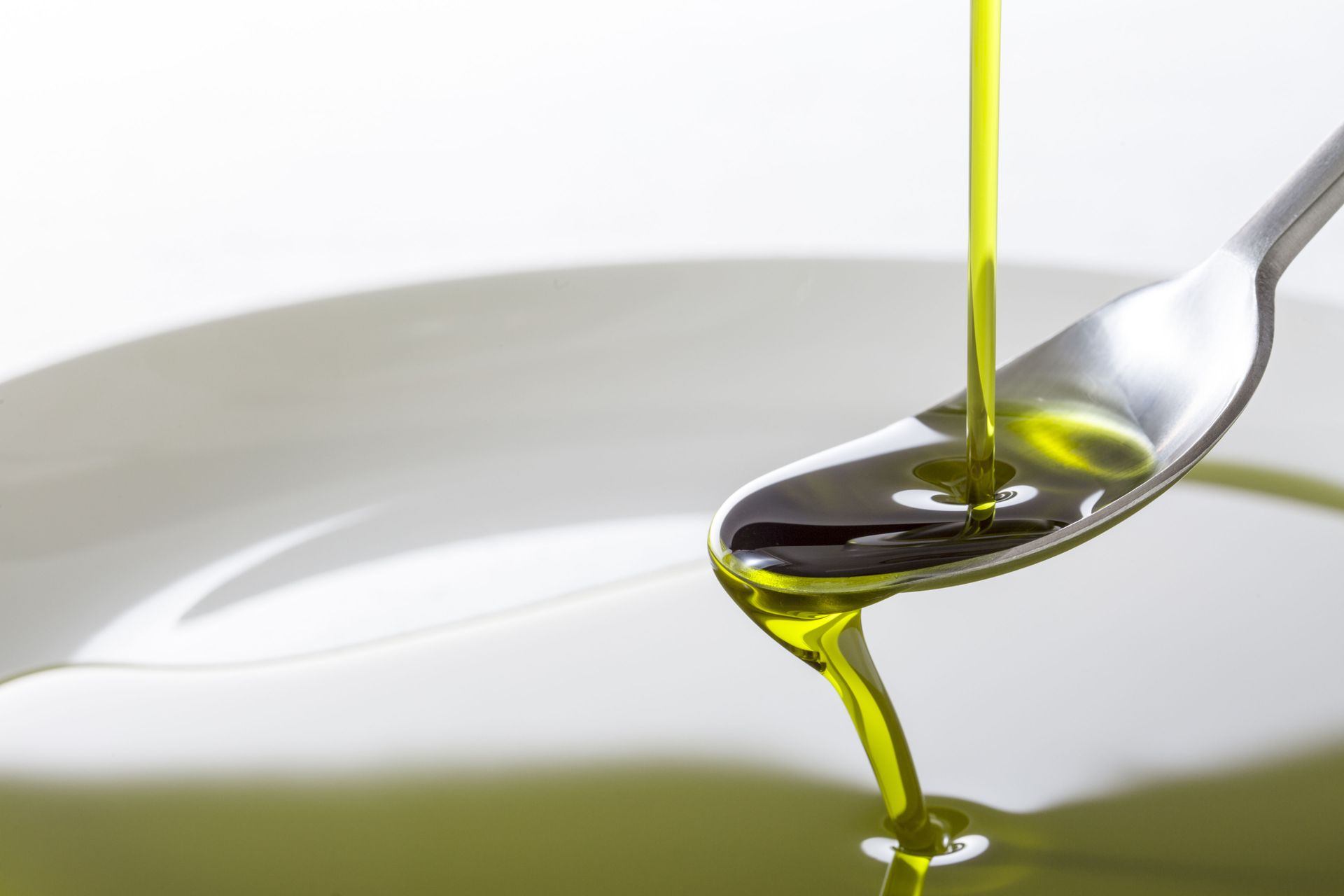
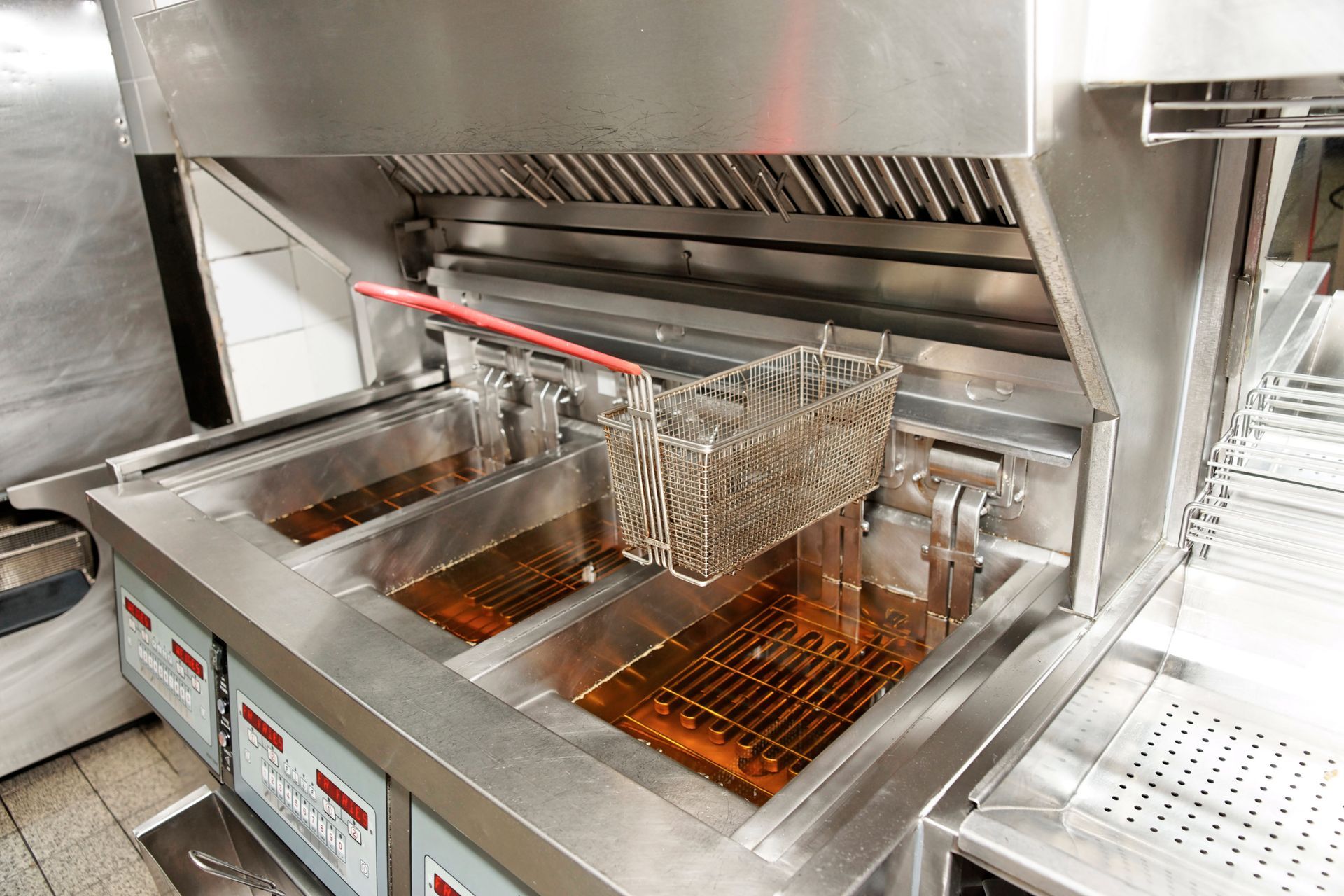
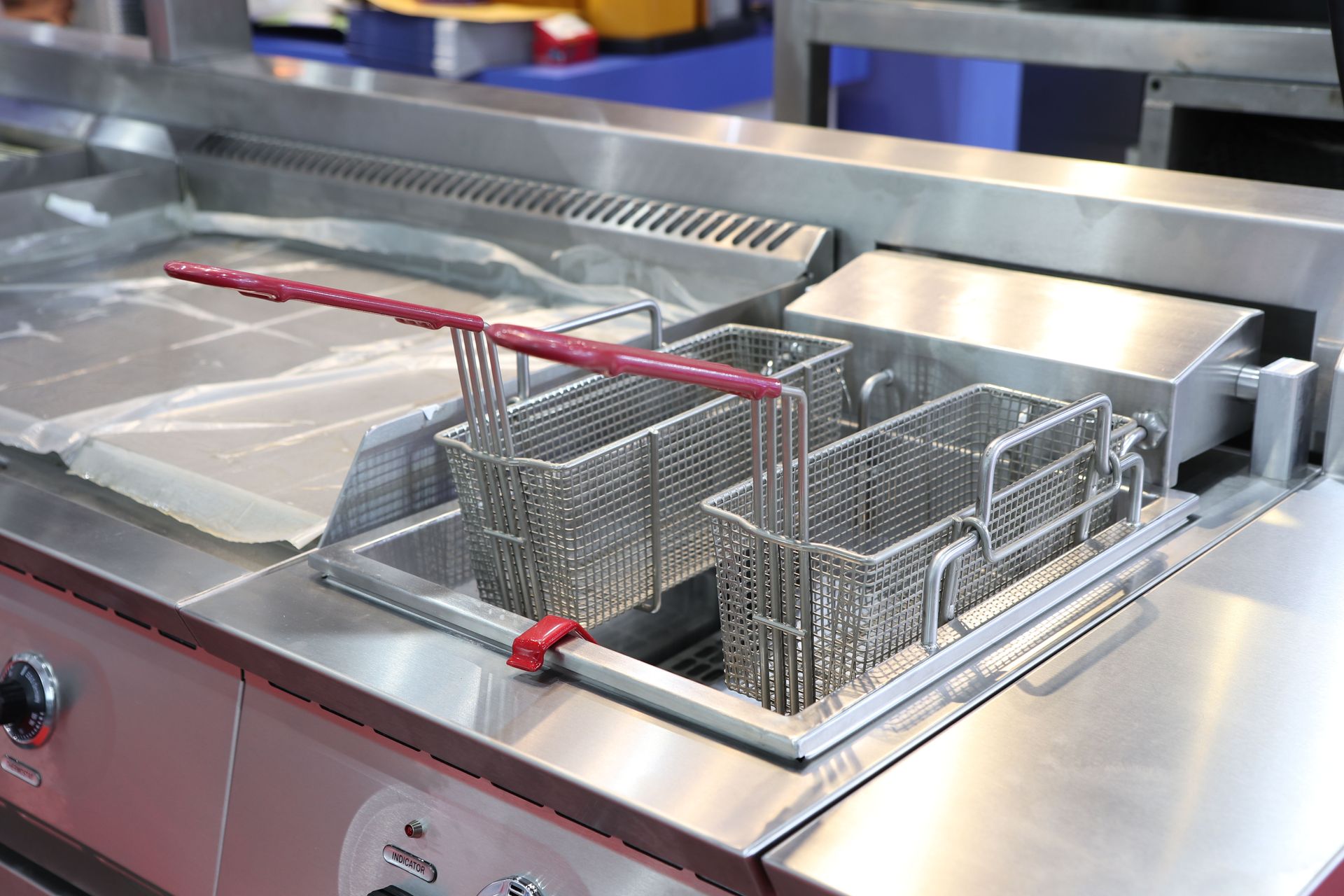
Used cooking oil is a routine byproduct of commercial food preparation, particularly in restaurants and other kitchens that use fryers. Managing this waste requires appropriate storage, collection, and disposal practices. Pouring oil into sinks or drains can contribute to plumbing blockages, while poorly managed storage can create spills and cleanliness concerns.
Commercial kitchens can establish a clear process for handling used cooking oils, from collecting them in suitable containers to arranging regular removal. Recycling provides another step in that process by directing collected oil toward further processing and potential reuse. Understanding these options helps businesses develop practical procedures for managing cooking oil waste alongside other kitchen maintenance responsibilities.
Common Commercial Oil Waste Issues
Prevent Improper Oil Disposal
Disposing of used cooking oils through sinks or drains can contribute to plumbing blockages and drainage problems. Commercial kitchens can reduce this risk by collecting waste oil separately and arranging appropriate removal instead of allowing it to enter plumbing systems. Establishing clear procedures helps kitchen staff handle oil consistently and maintain organized waste management practices.
These procedures can identify where oil should be collected, how it should be stored, and when it should be removed. A defined process helps businesses manage waste oil as part of regular kitchen operations. According to Cognitive Market Research and Consulting, the grease trap market is expected to reach $1,593.78 million by 2033.
Store Used Oil Safely
Proper storage is an important part of used cooking oil management. Suitable, sealed containers help contain oil while it awaits collection and reduce the risk of spills. Businesses should follow appropriate handling procedures and seek guidance about storage practices when needed.
The amount of oil a kitchen generates can influence how frequently it needs collection. Monitoring stored oil and planning for removal helps businesses manage available storage space and maintain an organized work environment. A consistent storage routine also helps staff prepare for scheduled pickups.
Effective Cooking Oil Recycling
Arrange Commercial Oil Collection
Restaurants and other food service businesses generate used cooking oils through routine cooking activities. Commercial collection services provide a way to remove this material from the premises and direct it toward appropriate recycling and processing. This approach helps businesses manage waste oil without relying on household drop-off programs.
Accepted materials can include old vegetable oil, fryer grease, and animal fats generated by commercial food preparation. Arranging collection gives businesses a defined process for handling these waste streams. It also provides an alternative to attempting to repurpose the oil themselves.
Understand the Recycling Process
Collected cooking oil can be processed for reuse in other applications, including biodiesel production. Recycling provides an alternative to treating used oil as ordinary waste and gives commercial kitchens a way to manage the material after it has served its original purpose. The process directs collected oil toward further use.
The specific destination of recycled oil depends on its subsequent processing. Businesses should avoid assuming that all collected oil becomes the same product. Arranging appropriate collection helps ensure that waste oil enters a suitable recycling process.
Practical Oil Collection
Choose a Practical Collection Schedule
Collection frequency should reflect the amount of used cooking oil a kitchen generates and its operational needs. Businesses can arrange recurring pickups or request collection as needed, depending on the available service options and individual requirements. These arrangements help kitchens plan for waste removal.
A consistent schedule helps staff plan for oil storage and removal. It also gives kitchen managers a defined process for handling accumulated oil rather than waiting until storage becomes difficult to manage. Businesses can review collection needs as cooking volumes and operating routines change.
Prepare Oil for Removal
Before a scheduled pickup, staff should keep used cooking oils in suitable, sealed containers and follow established handling procedures. Keeping the storage area organized can help reduce spills and make collection easier to coordinate. Appropriate preparation also helps staff manage waste oil consistently.
Clear communication about pickup timing and the amount of oil awaiting collection can help businesses organize waste-handling routines. Combining suitable storage with a practical collection schedule supports consistent management of commercial cooking oil waste. Staff can incorporate these steps into regular kitchen procedures.
Essential Grease Trap Maintenance
Keep Grease Trap Maintenance Separate
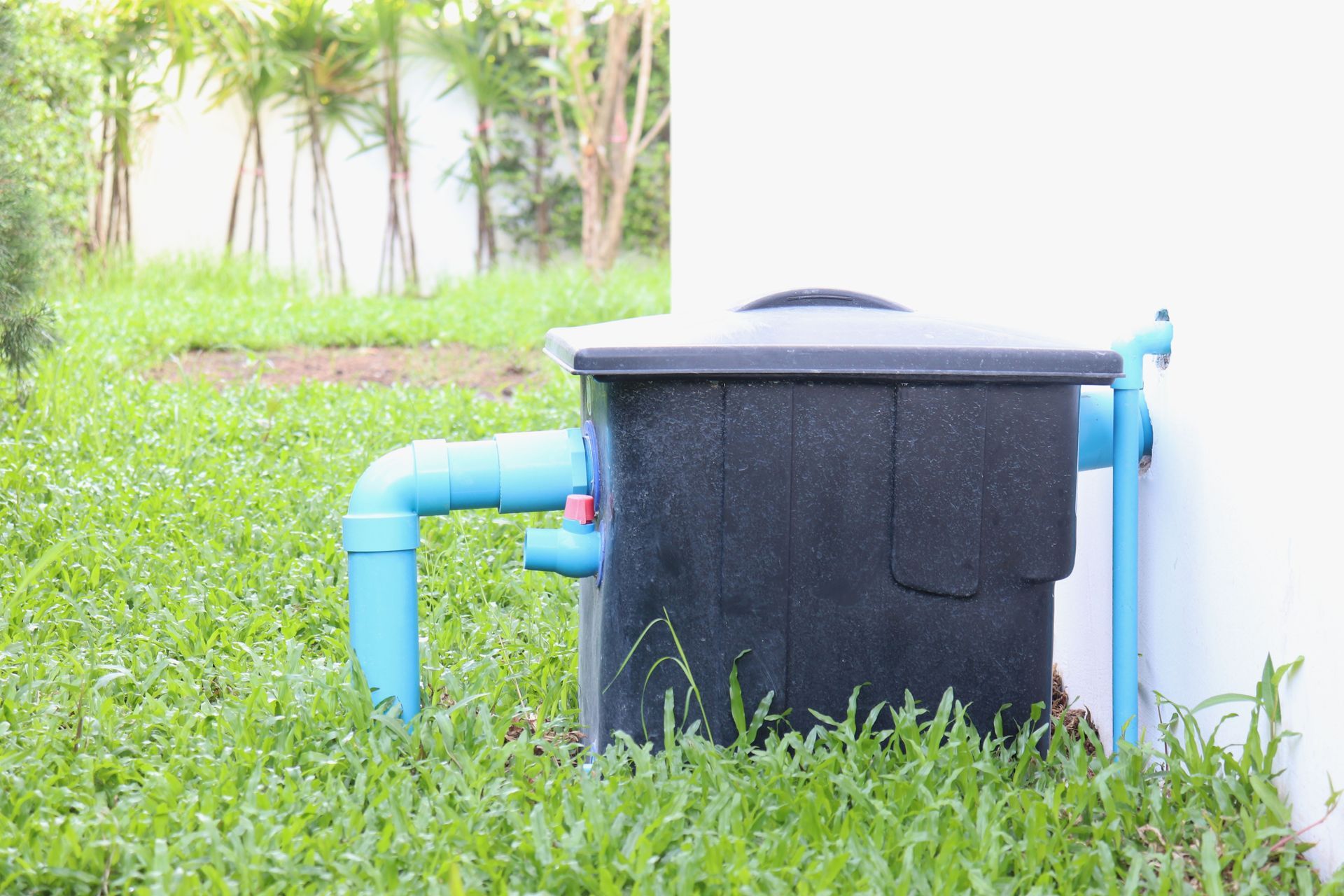
Used cooking oil collection and grease trap maintenance address different aspects of commercial kitchen waste management. Stored cooking oil needs appropriate collection and recycling, while grease traps capture fats, oils, and grease from wastewater before they enter connected drainage systems. Both responsibilities require appropriate handling procedures.
Grease traps require appropriate cleaning and maintenance to remove accumulated material and help maintain their function. Routine service can also help identify potential problems before they cause more significant disruptions to kitchen operations. Maintaining these systems helps businesses manage grease within their wastewater infrastructure.
Establish Consistent Maintenance Procedures
Commercial kitchens can incorporate grease trap maintenance into broader operating procedures. Scheduling service according to the needs of the facility helps businesses address accumulated grease and maintain their grease management equipment. Consistent maintenance also helps staff plan for service requirements.
Managing used cooking oils separately, avoiding improper disposal through drains, and maintaining grease traps are complementary practices. Together, these procedures help commercial kitchens address different waste management responsibilities. Keeping oil collection separate from grease trap servicing helps businesses organize each task appropriately.
Responsible Oil Management Practices
Managing used cooking oil responsibly involves proper storage, scheduled collection, and appropriate recycling. Commercial kitchens can establish consistent procedures for handling waste oil, keeping it in suitable, sealed containers and arranging pickups that fit operational needs. These practices help businesses maintain organized kitchens while avoiding improper disposal.
Staff should understand how to handle and store collected oil between pickups. Kitchen managers can review collection schedules as cooking volumes and storage needs change. Establishing clear responsibilities helps ensure that oil management remains a consistent part of daily operations.
Establish Clear Handling Procedures
Clear procedures help kitchen staff manage used cooking oil throughout daily operations. Designating appropriate storage areas, using suitable sealed containers, and communicating handling expectations can help reduce spills and keep waste organized. Staff can also monitor the amount of oil collected, so they can prepare for removal before storage becomes difficult to manage.
Consistent practices make oil management easier to incorporate into routine kitchen operations. Managers can review storage needs and collection arrangements as cooking volumes change. This helps businesses maintain a practical process for managing used cooking oil without allowing waste to accumulate unnecessarily.
Coordinate Regular Oil Collection
Arranging oil collection around a kitchen's operating needs helps staff manage waste before storage capacity becomes a concern. Businesses can discuss pickup frequency based on the amount of oil they generate and whether recurring or on-demand service is appropriate. A defined collection plan also gives staff a clear process to follow as containers fill.
Commercial oil recycling provides a way to direct collected cooking oil toward further processing rather than disposing of it improperly. Keeping collection arrangements consistent helps businesses account for this waste stream as part of their broader kitchen procedures. Reviewing these arrangements periodically can help ensure they continue to suit the facility's needs.
Grease trap maintenance also plays an important role in commercial kitchen waste management. By addressing oil collection and grease trap cleaning separately, businesses can manage both responsibilities through appropriate procedures. Brooks Grease Service provides commercial cooking oil recycling, oil removal, and grease trap services in Arkansas. Visit the website to learn more about our services.