November 3, 2026
Sewer clogs present a significant problem not only for residential plumbing systems but also for municipal wastewater management. At the heart of this challenge is the obstruction caused by fats, oils, and grease (FOG), which culminate in persistent blockages. Grease traps, a pivotal solution, work by intercepting these problematic substances before they enter the main sewer system. They are employed in both commercial and residential settings, highlighting their universal utility. Understanding the importance and function of grease traps is essential to preventing such obstructions and maintaining efficient waste management systems.
The Function of Grease Traps
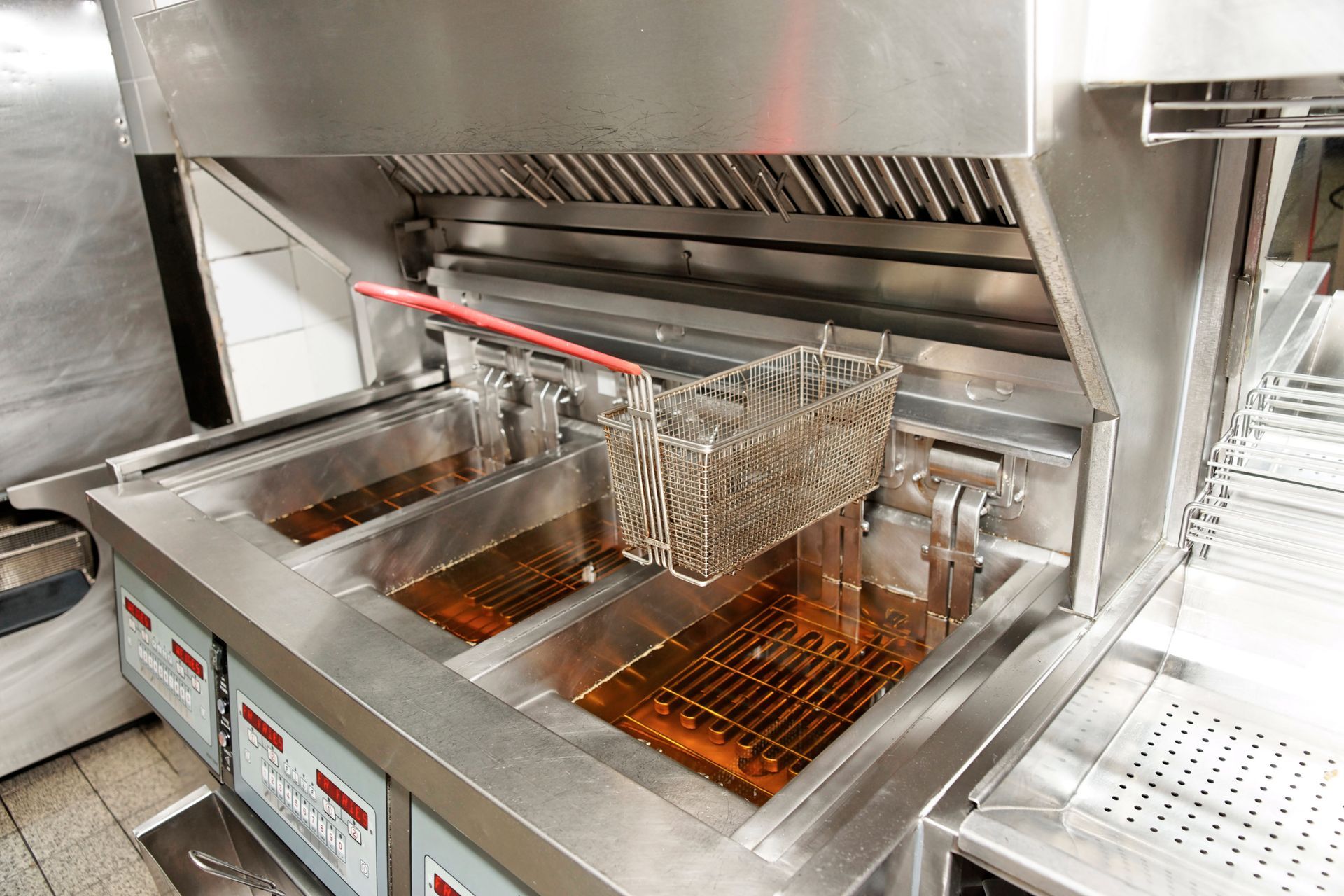
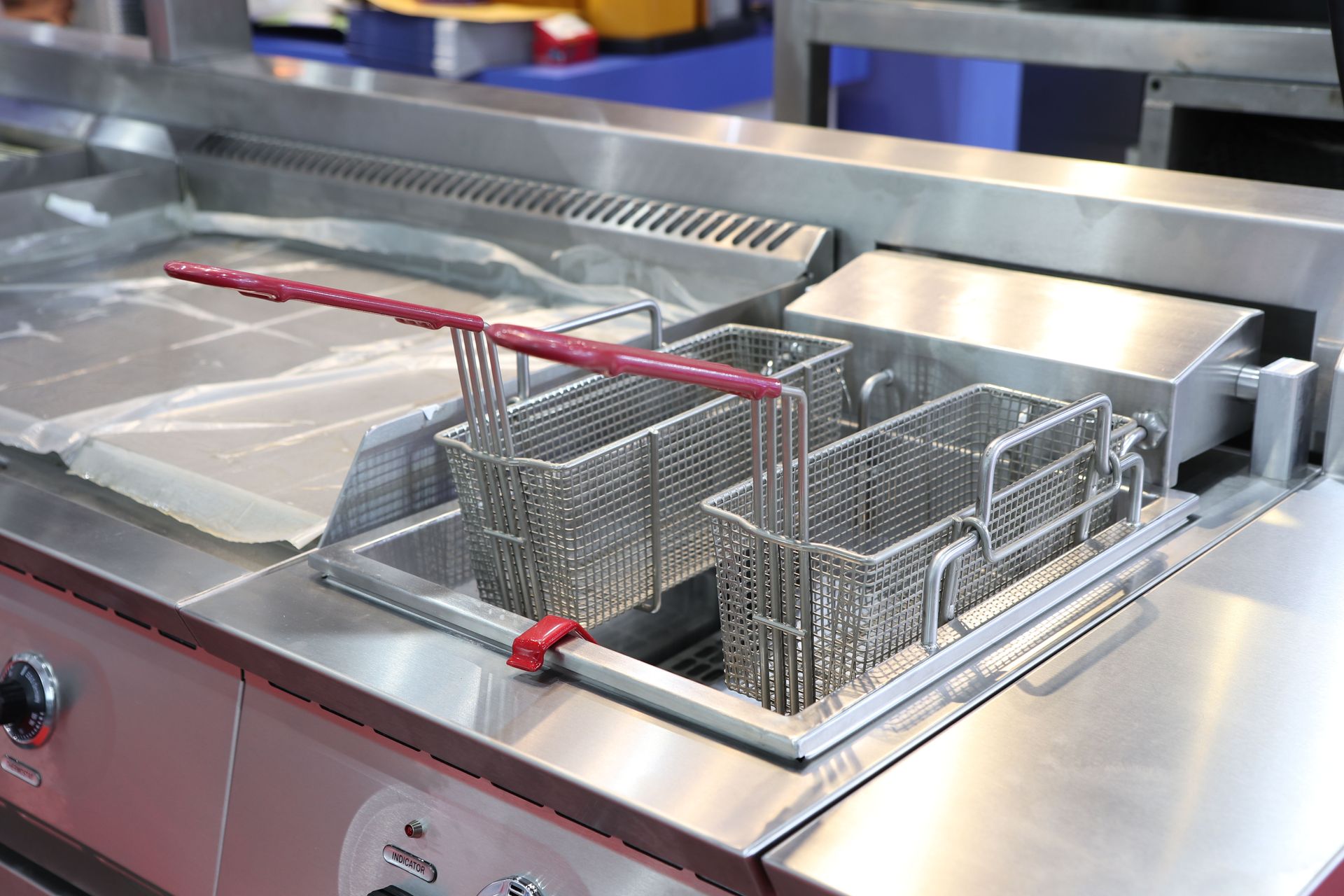
Grease traps serve as the frontline defense in capturing FOG before it enters the wastewater system. Their primary function is to separate FOG from wastewater using a physical barrier and a well-structured compartment system that facilitates the settling of debris. As wastewater flows through the trap, grease is significantly reduced, thus preventing clogging. The role of grease traps is crucial in restaurants and food service establishments where large volumes of grease are produced daily. Without effective grease interception, the potential for severe plumbing issues increases exponentially.
Grease traps act as a holding chamber for greasy substances and other solids that would otherwise clog sewage pipes. By effectively maintaining and managing these systems, facilities significantly reduce the risk of blockages. These traps utilize the principle of gravity whereby water, being denser, exits the trap, leaving lighter grease and oils to float to the top for collection. This simple yet effective system ensures the consistent flow of wastewater and minimizes backups. Regular maintenance is imperative to allow grease traps to function at their full capacity.
Despite their simplicity, the incorrect functioning of grease traps can lead to severe plumbing and environmental issues. Ineffective traps or those left unmaintained result in the buildup of FOG, severely hampering wastewater management efforts. As traps become overwhelmed, their efficiency drops, allowing fats to solidify and attach to pipe walls. The importance of regular maintenance and understanding the operational mechanism of grease traps cannot be overstated. Institutions that prioritize routine service avert costly plumbing repairs and environmental penalties.
Types of Grease Traps
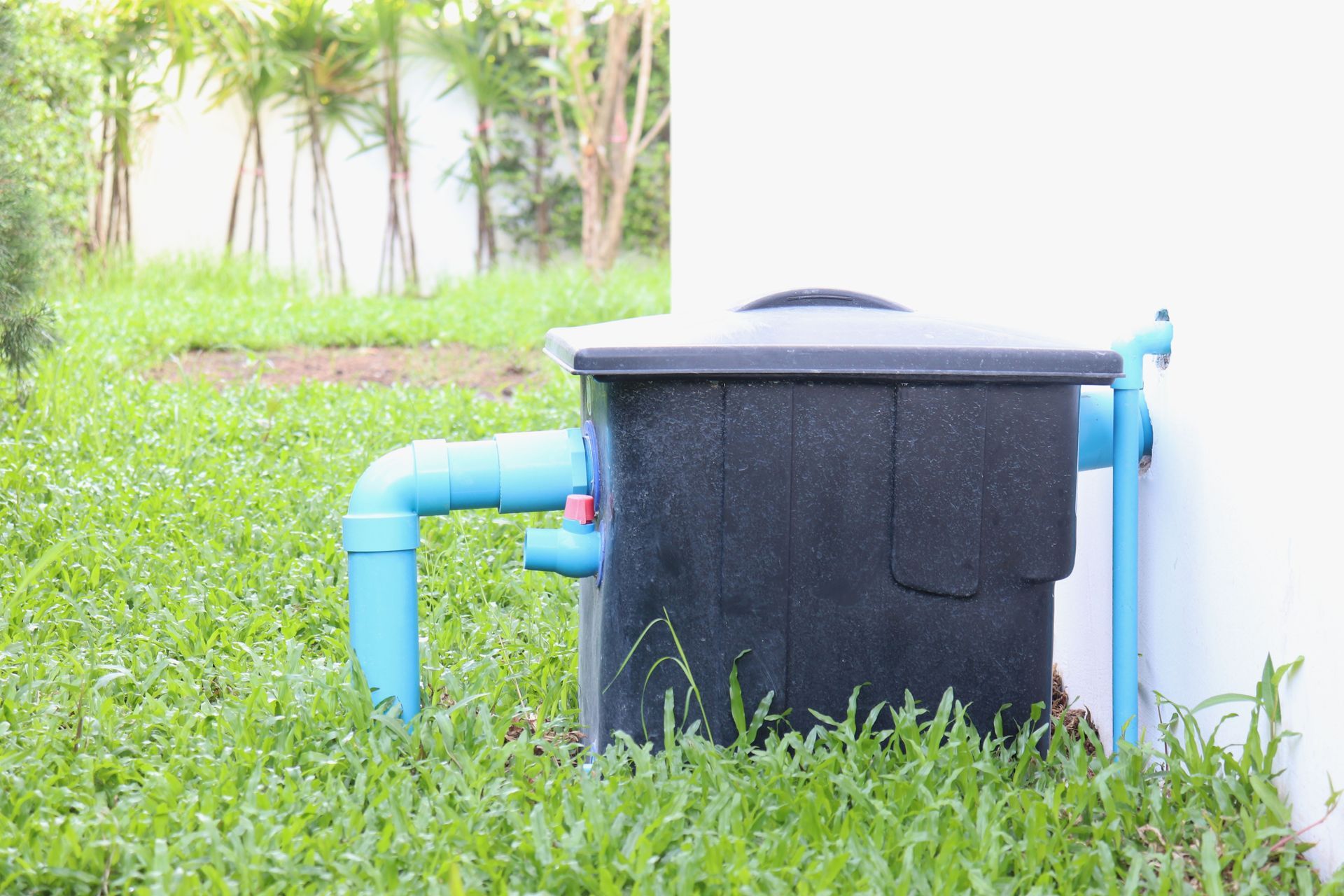
Grease traps come in various forms and sizes, designed to cater to different establishments and levels of grease production. Small passive hydromechanical grease interceptors are typically installed indoors, under sinks, and are ideal for locations with minimal grease output. Larger gravity grease interceptors are installed outdoors and accommodate greater amounts of grease typically found in high-capacity kitchens. There are also automatic grease removal units (AGRU) that continuously remove accumulated grease automatically. Selecting the appropriate type of grease trap is critical to its effectiveness in intercepting FOG.
The selection of the right grease trap not only depends on capacity requirements but also on the space available and the specific needs of the facility. For instance, automated systems may offer more consistent grease removal but can be more costly initially. In contrast, passive systems may require more frequent manual maintenance but are simpler to install. Each type of grease trap has its pros and cons, which need careful consideration for suitability. Making an informed choice ensures the system's efficiency and effectiveness in preventing clogs.
Regulations and compliance standards often dictate the installation and maintenance requirements of grease interceptors. Understanding these guidelines is crucial for establishments to avoid fines and adhere to local health and environmental regulations. Moreover, modern trends lean towards the implementation of environmentally friendly trapping solutions that not only manage waste effectively but also minimize environmental impact. The variety of grease traps available allows for custom solutions to suit different business models and locales. Regular revision of technological advancements and regulation updates is vital for optimal grease trap implementation and performance.
Installation Processes
The installation of grease traps involves careful planning and expert execution. Professionals start by assessing the facility's layout and waste production levels to determine the best placement and type of grease trap. This assessment ensures that the trap chosen will effectively handle the expected volume of grease and will have the capacity to accommodate future increases in production if necessary. Proper installation of the system is key to its successful operation and longevity. Factors such as placement, access, and plumbing connections are meticulously coordinated to ensure optimum performance of the system.
Installing a grease trap is not solely about placing the device; it requires strategic planning to ensure its functionality and compliance. The positioning of the trap should allow easy access for cleaning and maintenance. Also important is ensuring that the system is properly integrated within existing plumbing infrastructure without causing disruptive modifications. Evaluating and choosing the right installation point prevents complications such as backflushing or overflow failures, which are common if traps are incorrectly installed. Expertise in the installation process is therefore crucial and can prevent costly errors.
Regulations and Compliance
Compliance with grease trap regulations is vital for any establishment producing FOG in their everyday operations. Municipalities often have stringent guidelines demanding regular maintenance, documentation, and reporting of grease trap status and functionality. Regulatory bodies enforce these measures to mitigate the environmental impact of untreated FOG and to ensure public safety. Failure to comply can lead to severe penalties, including hefty fines or revocation of operational permits. It is a facility's responsibility to stay informed about changes in regulations and adhere to them diligently.
Understanding local laws and regulations regarding grease traps can dramatically reduce the operational risks associated with their use. Many regions have introduced regular inspection cycles, requiring businesses to submit proof of compliance and grease trap functionality. These regulations drive establishments to maintain a high standard of cleanliness and maintenance, essential for public health and environmental protection. Regular grease trap maintenance and documentation serve not only as compliance evidence but also boost operational efficiency by preventing problematic blockages. Keeping track of compliance requirements and adjusting practices are key to smooth business operations.
Common Problems Without Grease Traps
The absence of a functioning grease trap can have disastrous consequences for plumbing systems. Typically, FOG accumulation in sewer lines is a leading cause of blockages. These build-ups act as magnets for other materials, exponentially increasing the risk of complete pipe obstructions. This problem is costly for both private businesses and public municipalities, which deal with the aftermath of sewer backups. According to a 2025 review published in the International Journal of Environmental Science and Technology, approximately 30-40% of sewer clogs are caused by fats, oils, and grease deposits, making grease interception a critical part of wastewater management.
Without grease traps, establishments frequently face emergency plumbing repairs. The absence of a proactive solution leads to dependence on reactive measures, which are typically more expensive and disruptive to operations. Routine plumbing issues due to FOG can bring products and services to a standstill, negatively impacting revenue. The increasing costs associated with emergency plumbing repairs severely affect operational budgets and resource allocation. Investing in a grease trap system mitigates these risks and enhances system reliability.
Effective FOG management via grease traps is essential for protecting plumbing infrastructure and maintaining municipal sewer health. Whether using passive, gravity, or automated units, proper trap selection, strategic installation, and routine maintenance ensure compliance and prevent costly clogs. Prioritizing these practices safeguards operational efficiency, public health, and the environment. Call Brooks Grease Service today for grease trap services.