February 19, 2026
A truly clean kitchen extends far beyond sanitized countertops and polished appliances. While visible cleanliness is important, the unseen systems behind the walls and beneath the floors play an equally vital role in maintaining sanitation and operational stability. Grease traps are one of the most important hidden components in any kitchen's infrastructure.
Every time dishes are washed, pans are rinsed, or food is prepared, fats and oils enter the wastewater stream. These substances may appear harmless in liquid form, but as they travel through pipes and cool, they solidify and cling to plumbing surfaces. Over time, this buildup narrows pipe interiors, restricts water flow, and increases the likelihood of blockages. Without proper interception, kitchens can quickly experience slow drains, foul odors, and costly sewage backups.
Grease traps prevent these issues by capturing fats, oils, and grease before they enter the main plumbing system. By stopping buildup at the source, they protect the integrity of drainage systems and ensure kitchens remain functional and sanitary. In commercial settings, especially where grease production is significantly higher, these systems are not optional—they are foundational to daily operations.
The importance of grease management continues to grow nationwide. According to DataHorizonResearch.com, the U.S. grease traps market was valued at approximately USD 847.3 million in 2024 and is anticipated to reach USD 1,285.6 million by 2033. This projected growth reflects increasing regulatory standards, heightened environmental awareness, and the food industry's focus on operational efficiency. As kitchens evolve, so does the need for reliable grease interception systems.
Examining How Grease Traps Function to Protect Plumbing Systems
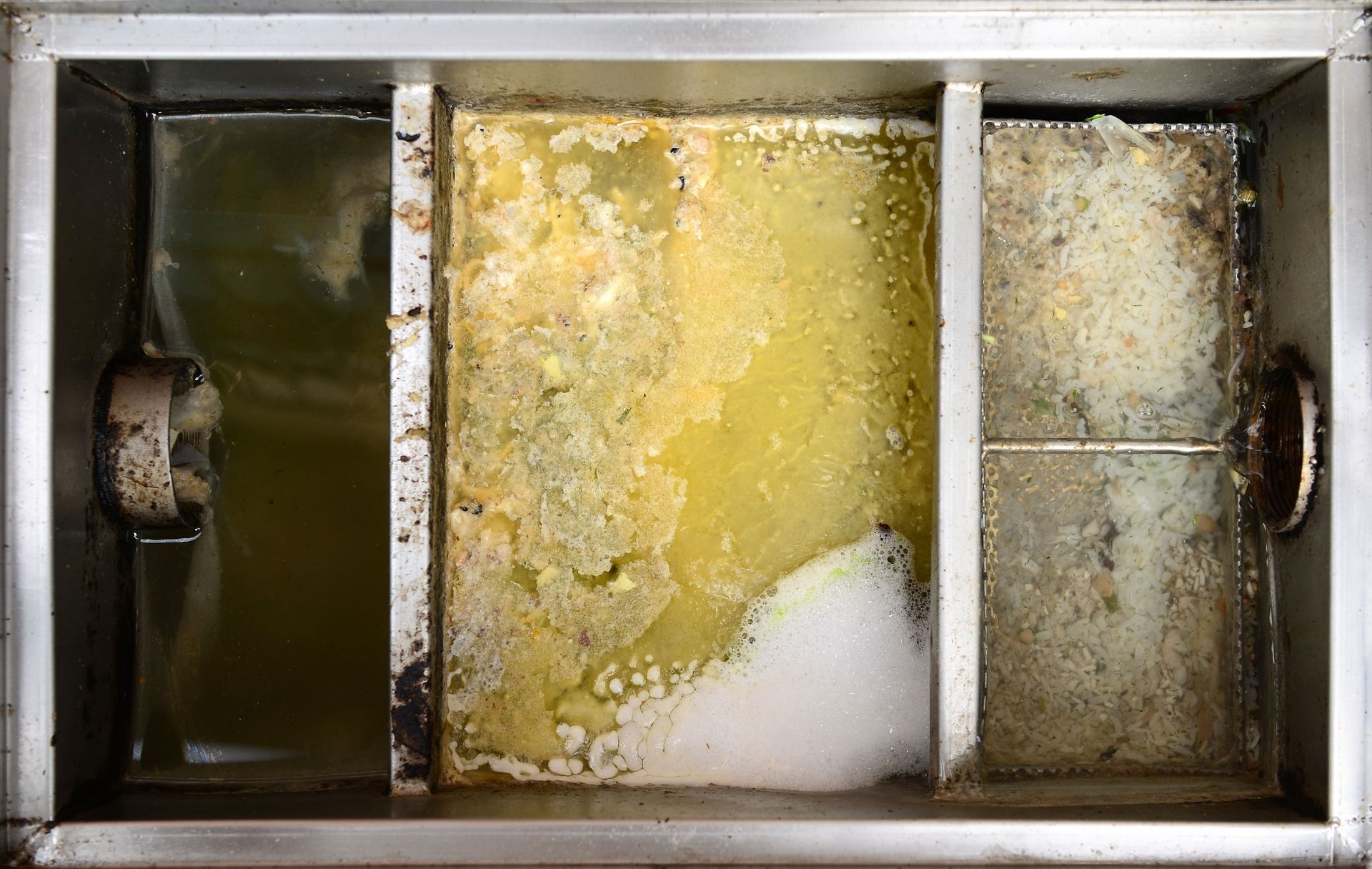
The effectiveness of grease traps lies in their simple yet highly reliable design. These systems operate using gravity separation. When wastewater flows into the trap, fats, oils, and grease rise to the top because they are less dense than water. Heavier food particles sink to the bottom, while the clearer water in between exits into the sewer system.
Internal baffles slow the movement of water through the unit, allowing enough time for separation to occur. This controlled flow is essential. If wastewater moves too quickly, grease may not have sufficient time to rise and be contained. Proper sizing and installation ensure the trap can handle peak volumes without sacrificing performance.
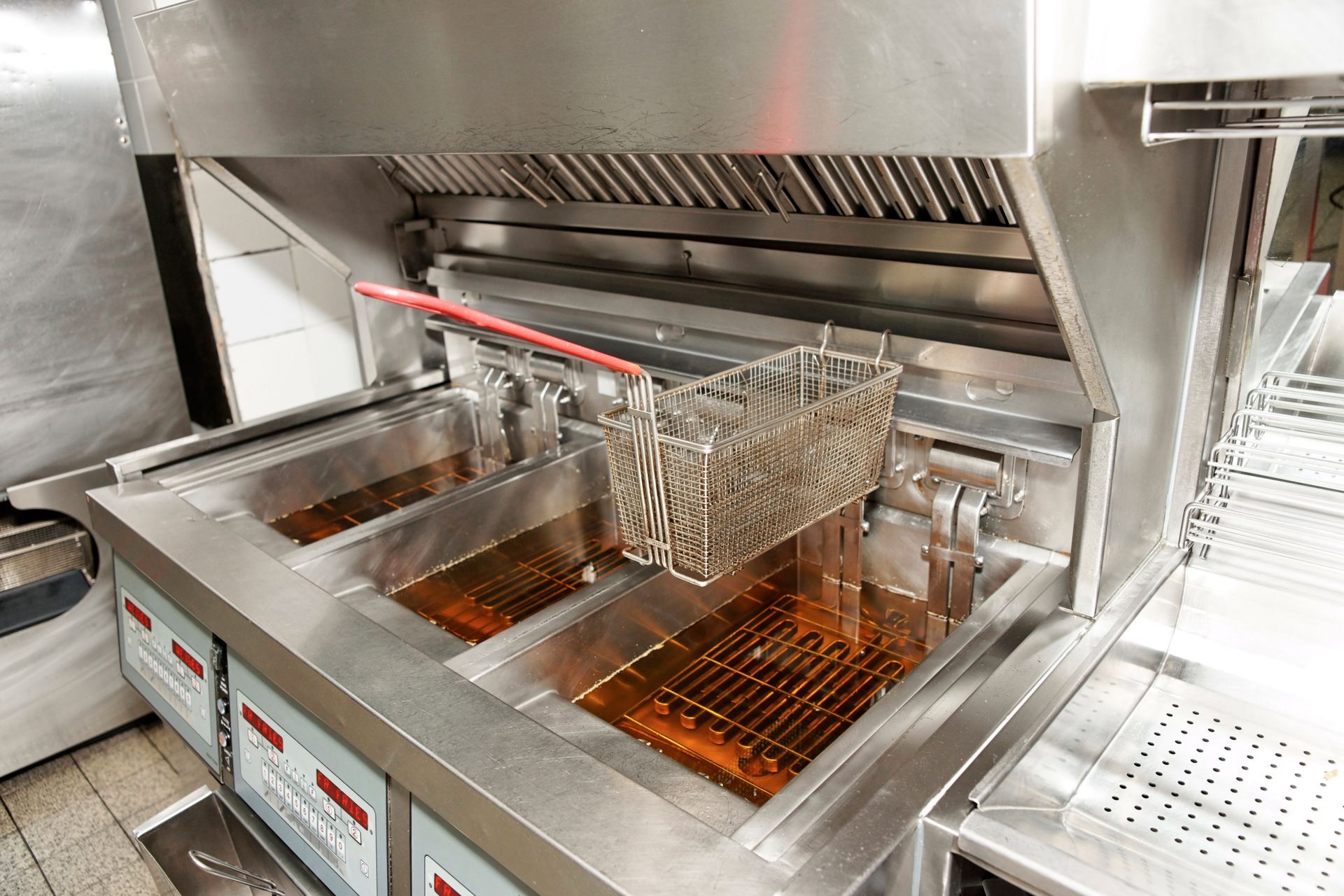
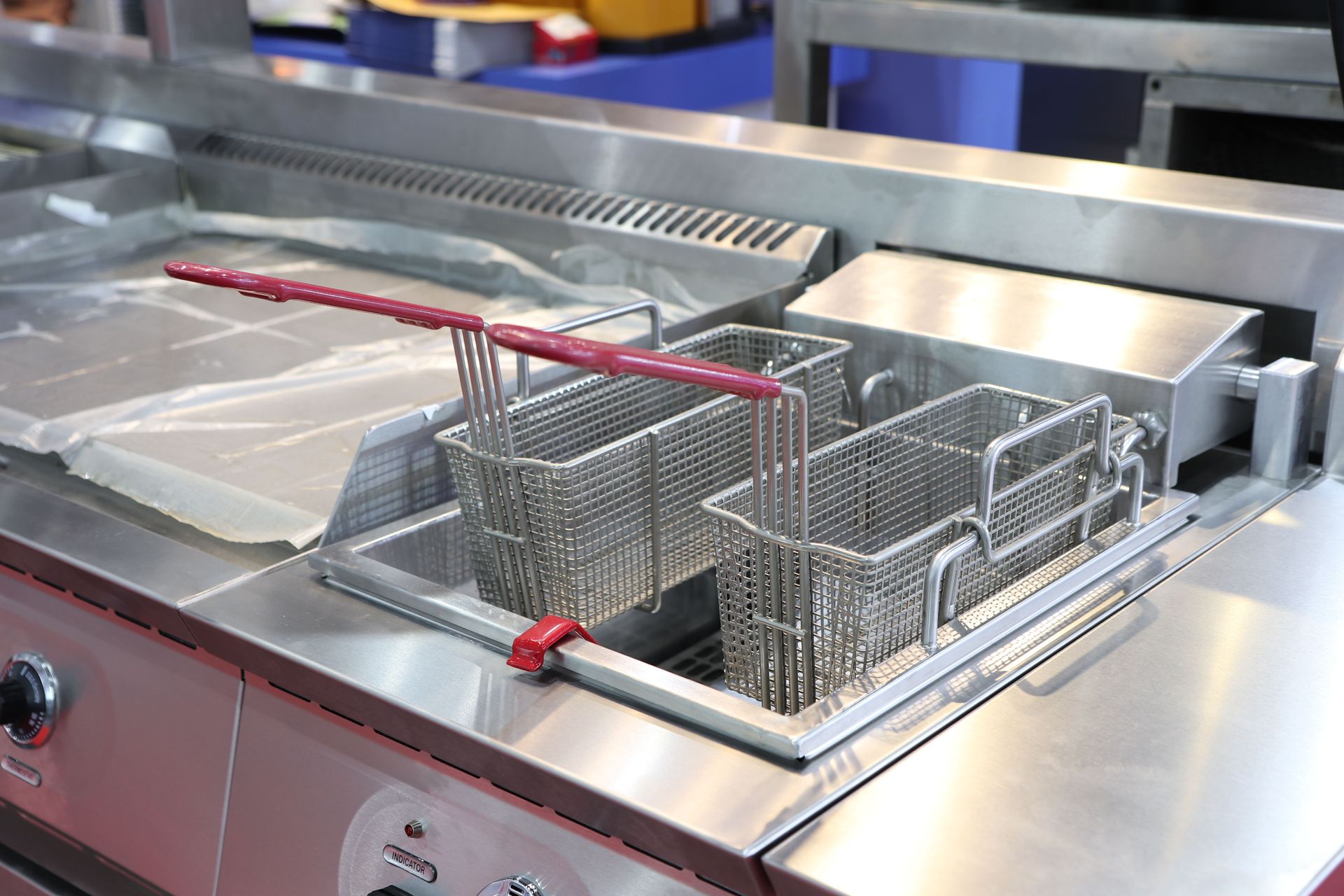
In busy commercial kitchens, grease production can spike during rush hours. Fryers, grills, and washing stations for dishes all contribute to increased grease output. Well-designed grease traps accommodate these fluctuations and maintain consistent performance throughout the day. By preventing grease from hardening inside pipes, they reduce the risk of unexpected plumbing failures that could halt operations.
Beyond preventing clogs, these systems also reduce strain on municipal wastewater systems. When grease escapes into public sewers, it can combine with other debris to form large blockages. By intercepting grease in the kitchen level, grease traps help protect the broader infrastructure and reduce community-wide plumbing issues.
Selecting the Right Grease Traps for Different Kitchen Environments
Not all kitchens have the same grease management needs. The size of the facility, type of cuisine, daily output, and local regulations all influence system selection. Smaller establishments with moderate grease production often use passive grease traps. These units rely solely on gravity and require regular manual cleaning.
Larger restaurants, institutional kitchens, and food production facilities frequently require automatic grease removal units. These advanced systems mechanically skim grease from the surface at programmed intervals and deposit it into an external container. Automation reduces labor demands and ensures more consistent grease removal in high-output environments.
Proper sizing is one of the most important performance factors. A trap that is too small will fill quickly and require frequent servicing, increasing maintenance costs and the risk of overflow. A unit that is too large may involve unnecessary upfront expense and inefficient separation. Accurate flow rate calculations, combined with professional guidance, help determine the ideal capacity for a specific kitchen.
Material selection also impacts longevity. Stainless steel systems offer durability and corrosion resistance, making them ideal for demanding commercial settings. Fiberglass and thermoplastic units provide lightweight, cost-effective alternatives for certain applications. Matching system design and materials to kitchen demands ensures reliable long-term operation.
Maintaining Grease Traps to Preserve Sanitation and Efficiency
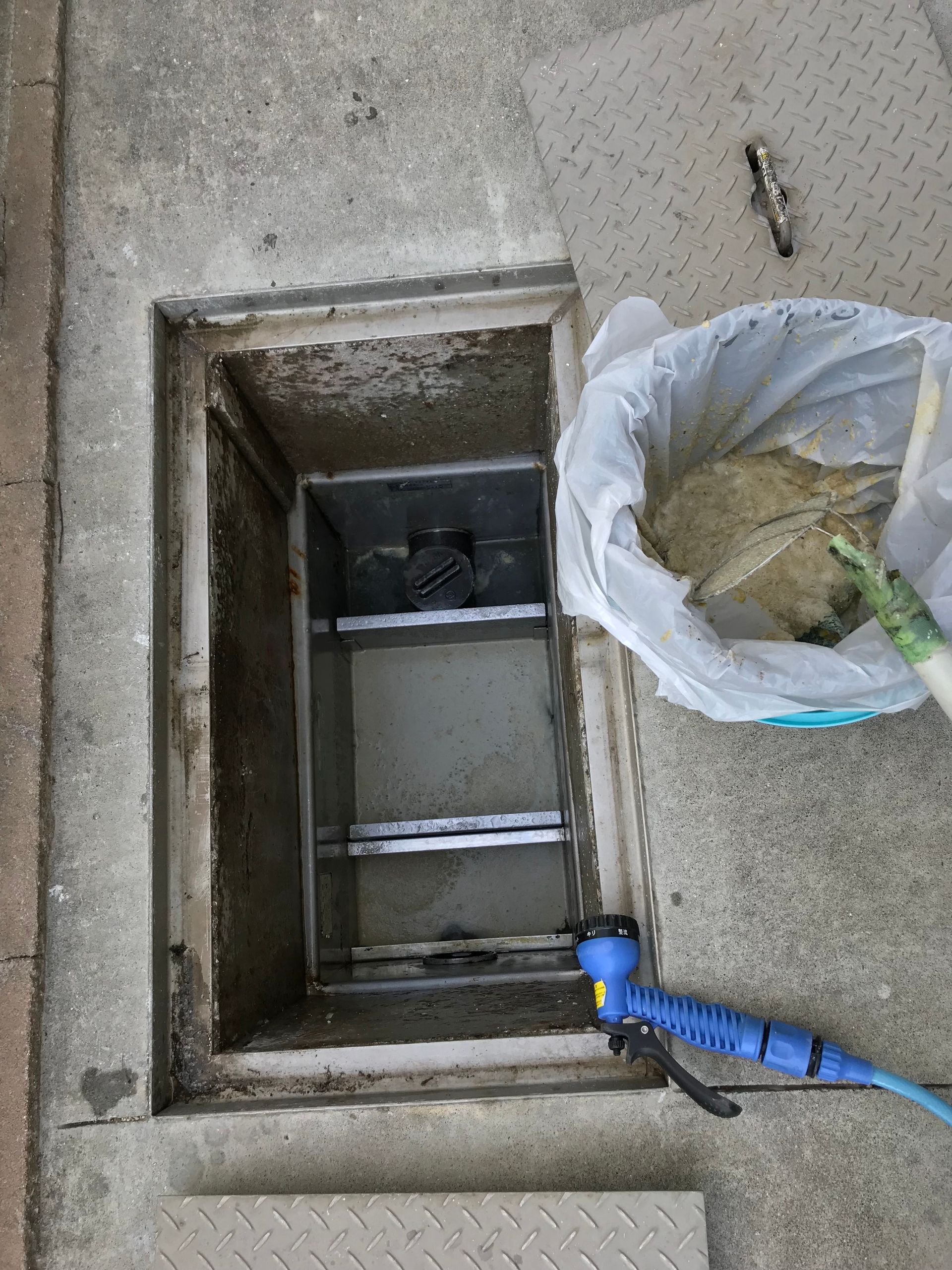
Installation alone does not guarantee long-term success. Routine maintenance is essential to ensure grease traps continue functioning as intended. As grease accumulates within the unit, its capacity for separation decreases. If the buildup exceeds recommended levels, grease may begin escaping into plumbing lines.
Most health authorities recommend cleaning when grease and solids reach approximately 25 percent of the trap's volume. Establishing a consistent maintenance schedule based on kitchen usage prevents performance decline. High-volume kitchens may require more frequent servicing than smaller establishments.
Common warning signs of neglected maintenance include slow drainage, gurgling pipes, strong odors, and visible grease near drains. Addressing these symptoms promptly prevents more serious plumbing complications. Professional cleaning services remove hardened grease layers, inspect internal components, and ensure the system remains compliant with local regulations.
Staff training further enhances system performance. Encouraging employees to scrape food scraps into trash bins and avoid pouring excessive oil directly into sinks reduces strain on grease traps. Daily best practices, combined with scheduled servicing, create a comprehensive grease management strategy that supports cleanliness and efficiency.
Supporting Environmental Responsibility Through Effective Grease Management
Environmental protection has become a central focus for the foodservice industry. When fats, oils, and grease enter municipal sewer systems untreated, they can contribute to severe blockages and sewer overflows. These incidents may contaminate waterways and harm local ecosystems.
By capturing grease at its source, grease traps significantly reduce the risk of environmental damage. Many jurisdictions require commercial kitchens to install and maintain grease interception systems specifically to protect public infrastructure and natural resources.
Additionally, captured grease can sometimes be recycled into renewable energy products such as biodiesel. This approach transforms waste into a valuable resource, further enhancing environmental benefits. As sustainability initiatives continue to expand, grease traps play a key role in helping kitchens meet evolving expectations.
Strengthening Operational Stability and Long-Term Cost Control
Unexpected plumbing failures can disrupt service, damage property, and result in expensive emergency repairs. By contrast, investing in reliable grease traps and consistent maintenance helps prevent these costly disruptions. Preventative systems reduce downtime and allow kitchens to operate smoothly during peak hours.
Financial planning becomes more predictable when maintenance schedules are established, and emergency repairs are minimized. Over time, the cost savings associated with reduced plumbing issues often exceed the initial investment in the system itself. Clean, efficient drainage also improves workflow, allowing staff to focus on food preparation and customer service rather than addressing avoidable maintenance problems.
A clean kitchen depends on more than visible sanitation practices. It requires a strong infrastructure that prevents problems before they occur. Grease traps provide that protection by safeguarding plumbing systems, supporting environmental compliance, and promoting long-term operational efficiency.
From small restaurants to large commercial facilities, effective grease management ensures smoother workflows, fewer disruptions, and stronger regulatory compliance. As industry standards rise and sustainability expectations increase, investing in properly selected and maintained
grease traps is both a practical and strategic decision.
Taking proactive steps today will protect your plumbing, strengthen compliance, and ensure your kitchen remains clean, efficient, and prepared for the future. If you are evaluating your current system or planning a new installation, consult with qualified professionals today at Brooks Grease Service to determine the best solution for your specific kitchen needs.